War in Iran: the region and world order under strain
Politics and geopolitics

Mon. April 27, 12:15PM

War in Iran: the region and world order under strain

What are the political and strategic shifts unfolding in Iran and across the Middle East?

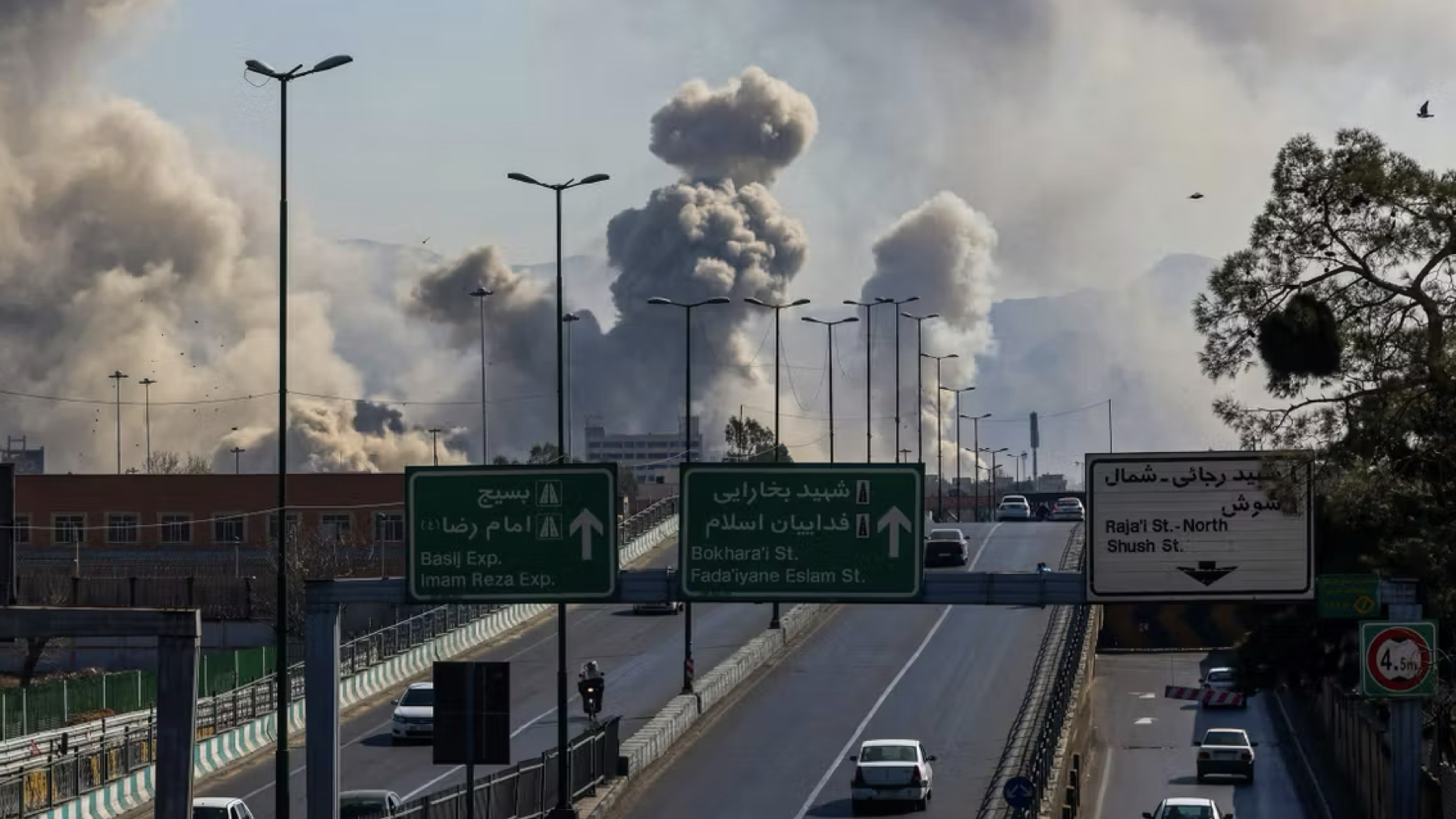
Since 28 February, US and Israeli strikes on Iran have triggered a new phase of instability in the country and across the Middle East, opening a complex chapter. From threats to civilian safety and nuclear tensions to regional spillovers, shifting alliances and energy insecurity, the situation presents uncertain outcomes and far-reaching risks.


As a fragile ceasefire was announced on April 8, several pressing questions remain: what are the prospects for stability in an increasingly fragile regional order? Are Washington and Tel Aviv aligned in the long term as Israel continues its actions in Lebanon? How might Gulf states and Europe position themselves in response? And what protection and support can civilians expect as tensions persist? 


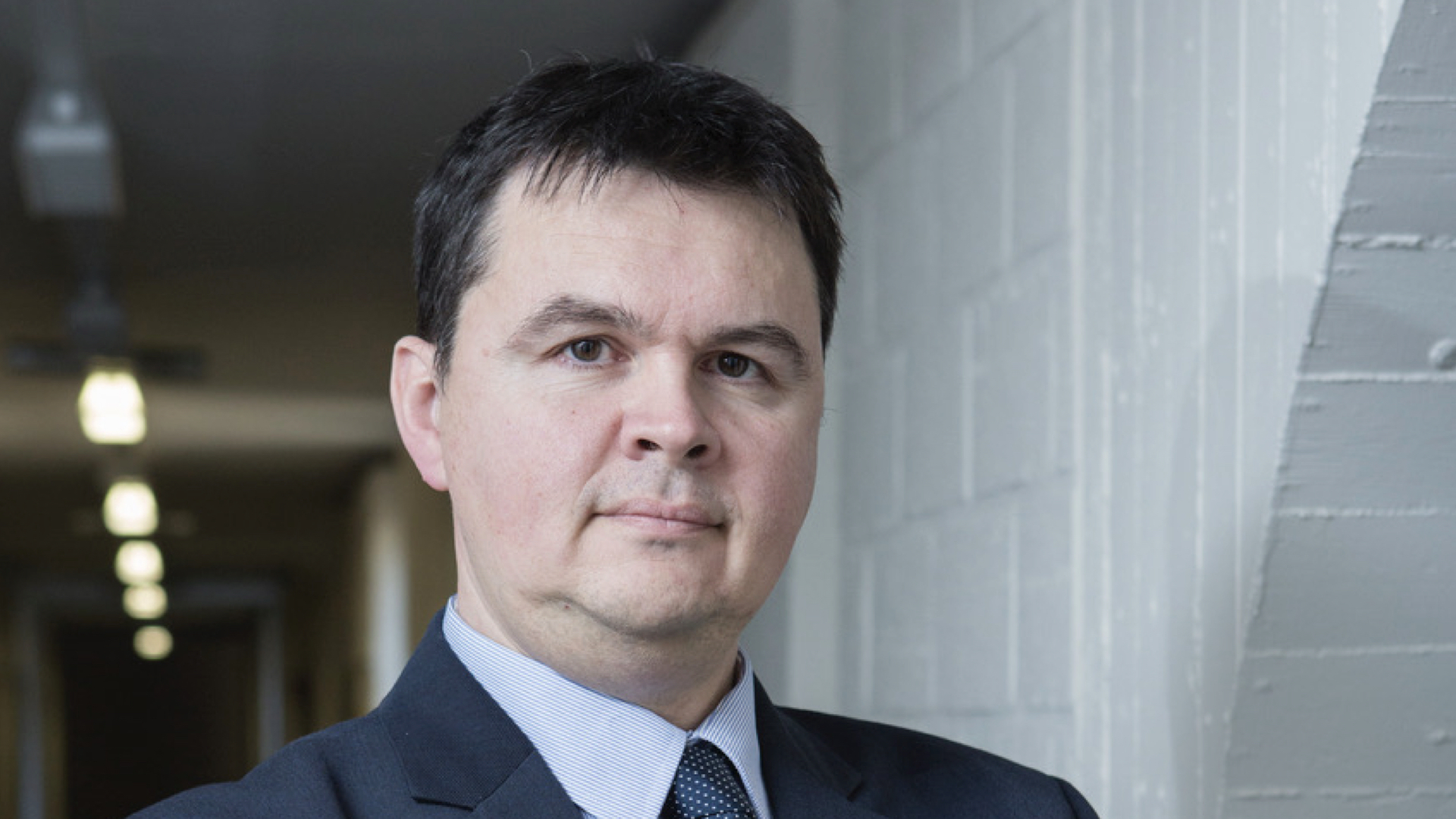
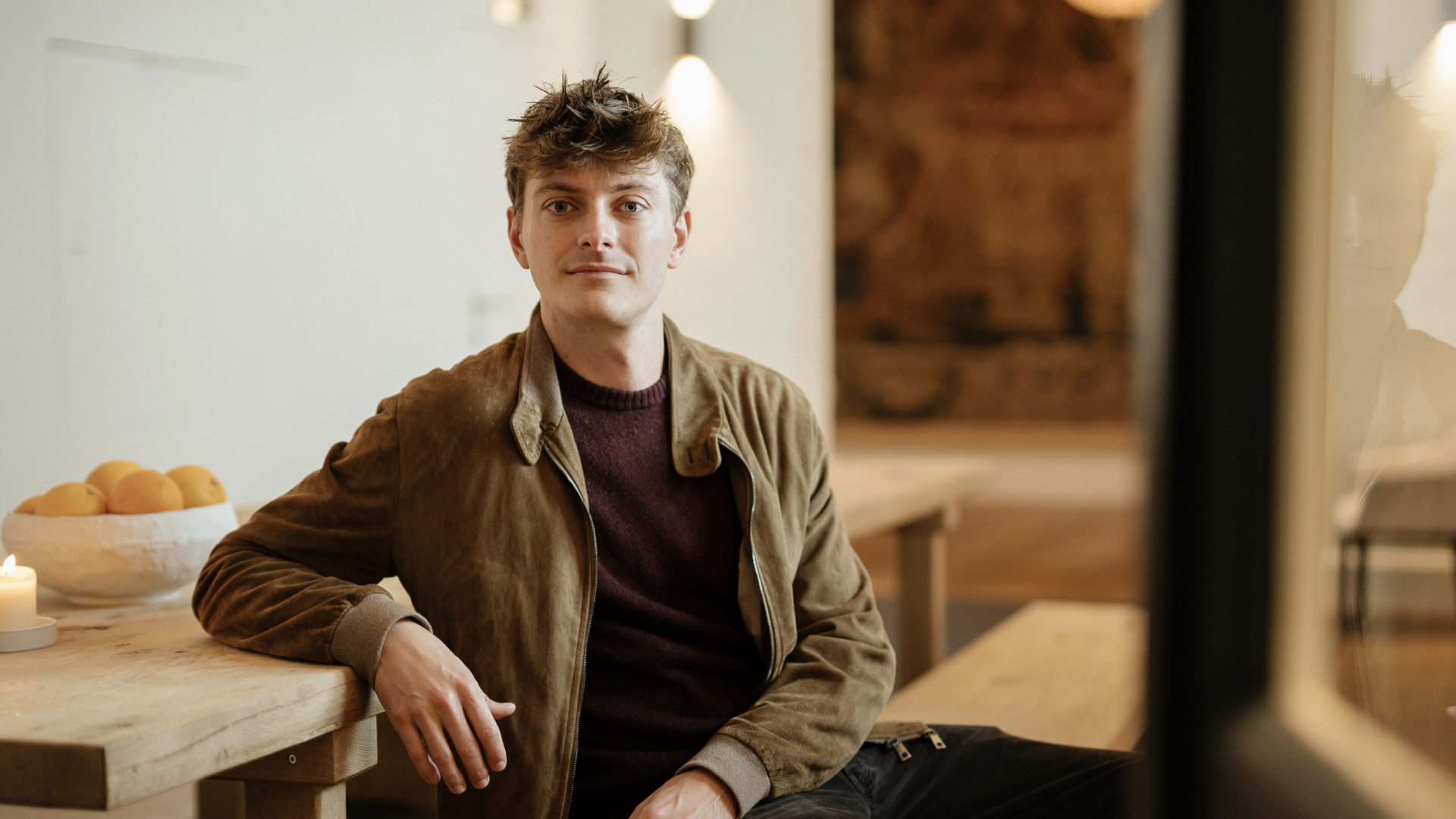
Firouzeh Nahavandi, professor at ULB and specialist in non-Arab Muslim countries and issues related to Islamism and re-Islamisation, joins Tanguy Struye de Swielande, professor at UC Louvain and expert in geopolitics, geoeconomics, and the foreign and defence policies of major powers. Moderated by reporter Wilson Fache, the discussion examines both the visible and underlying dynamics shaping a rapidly evolving Middle East.  


Cover image: Atta Kenare/AFP

speaker
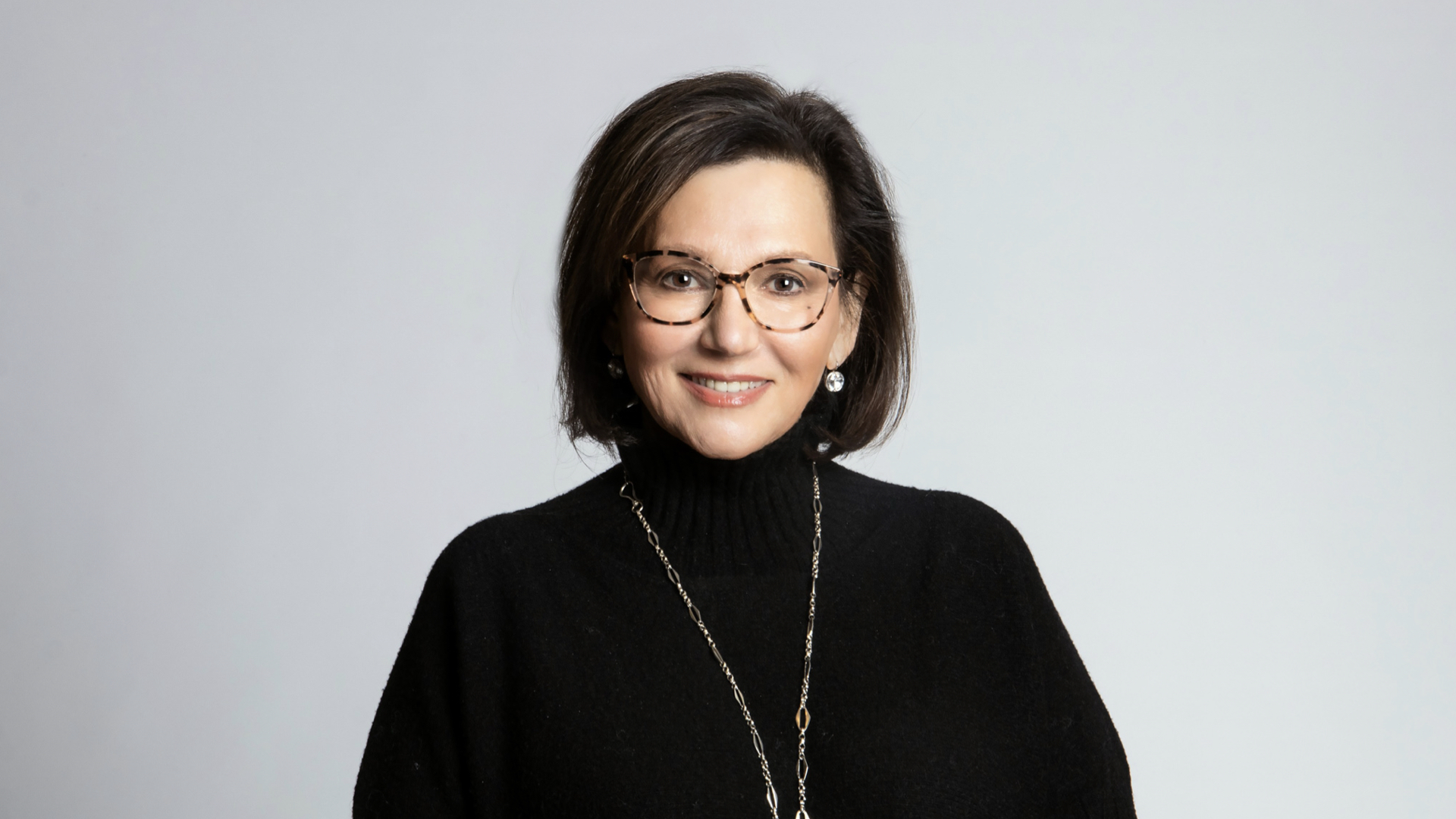
Firouzeh Nahavandi

Firouzeh Nahavandi is Professor Emerita at the Université libre de Bruxelles (ULB) and a specialist in contemporary Iran and socio-political transformations in the Middle East. Since 1979, her research has focused on countries including Afghanistan, Iran, Pakistan, and, more recently, Turkey, with particular attention to social change and the evolution of Islamism. Her work analyses contemporary Iran through its internal social, political, and civilisational tensions. She is the author of numerous books and academic articles, including Iran (De Boeck, 2020, 3rd ed.), Les visages de la réislamisation (2023), and Femmes iraniennes, évolution ou révolution ? Comment survivre sous un régime islamique (2025).

speaker

Tanguy Struye de Swielande

Tanguy Struye de Swielande is a professor of international relations at UCLouvain and an associate researcher at the Egmont Institute, the Quebec Council for Geopolitical Studies, and the Institute for International and Strategic Relations – Indo-Pacific Observatory (IRIS). He edits the ‘Scène internationale’ series for Presses universitaires de Louvain. He specialises in geopolitics, geoeconomics, and the foreign and defence policies of the major powers (the United States, Russia and China), the Indo-Pacific region, decision-making analysis, foresight, and the impact of new technologies on the world order. In 2021, he co-chaired the Belgian Ministry of Defence’s strategic committee tasked with updating the country’s strategic vision.

moderator

Wilson Fache

Wilson Fache is a freelance reporter with ten years of experience covering conflicts. A former correspondent in Iraq (2015-2018) and Palestine (2018-2019), he also covered the Taliban’s return to power in Kabul, the fall of the Assad regime in Syria, and the Russian invasion of Ukraine. In 2023, he was awarded the Albert Londres Prize, the highest French journalism award.
Start
Mon. April 27, 12:15PM
End
Mon. April 27, 1:30PM
Format
Regards Croisés
Language
French (BE) / Français (BE)
Guest allowed?
Yes, 1 per member

Address

Event
Pl. Poelaert 6
1000 Brussels
Belgium
Parking
Parking Poelaert, Place Poelaert 1000 Brussels

Detailed programme

Welcome
Mon. April 27, 12:15PM
Conversation and Q&A
Mon. April 27, 12:30PM
End
Mon. April 27, 1:30PM