Are we truly in control of our decisions? A conversation on agency, choice, and responsibility
The second edition of our interactive “Philosophical Café” inspired by Socrates’ democratic discussion forums brings together leading thinkers Lieke Asma and Farah Focquaert.
This time, we will dive into the notion of free will: Are we the authors of our own actions, or are our choices shaped by forces beyond our control?
Asma argues that free will is best understood through how we act in everyday life, which offers a nuanced perspective on our freedom. Focquaert, on the other hand, takes a skeptical stance, questioning whether we have the kind of autonomy needed to justify moral and legal responsibility.
But if we lack free will, can we still hold people morally responsible for their actions? How should criminal justice systems be designed? In an age where algorithms predict behavior and neuroscience challenges traditional ideas of selfhood, the debate over free will is more relevant than ever.
In true café spirit, the audience will be at the heart of this thought-provoking discussion.
speaker
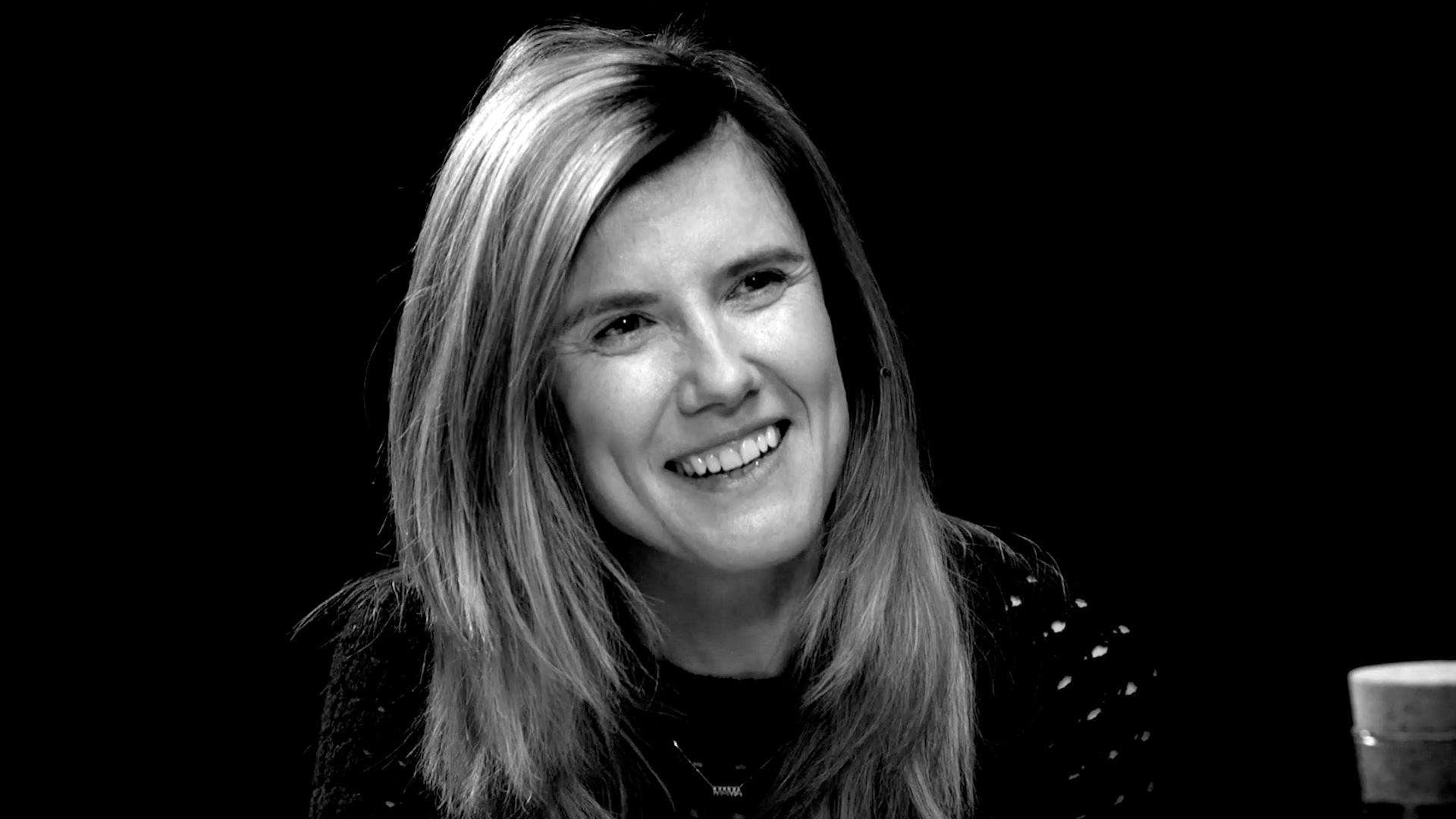
Farah Focquaert is a professor and philosopher specialising in philosophical anthropology, free will, and moral responsibility. She is an associate professor and researcher at the Department of Philosophy and Moral Sciences at Ghent University, where she explores the implications of free will skepticism for ethics, punishment, and criminal justice.
She is the author of Beter leven zonder vrije wil, which examines the philosophy of responsibility, choice, guilt, and the interplay between nature and nurture.
As an expert at the intersection of philosophy, neuroscience, and law, Focquaert contributes to academic research and public discourse on human agency, responsibility, and the ethical implications of free will skepticism.
speaker
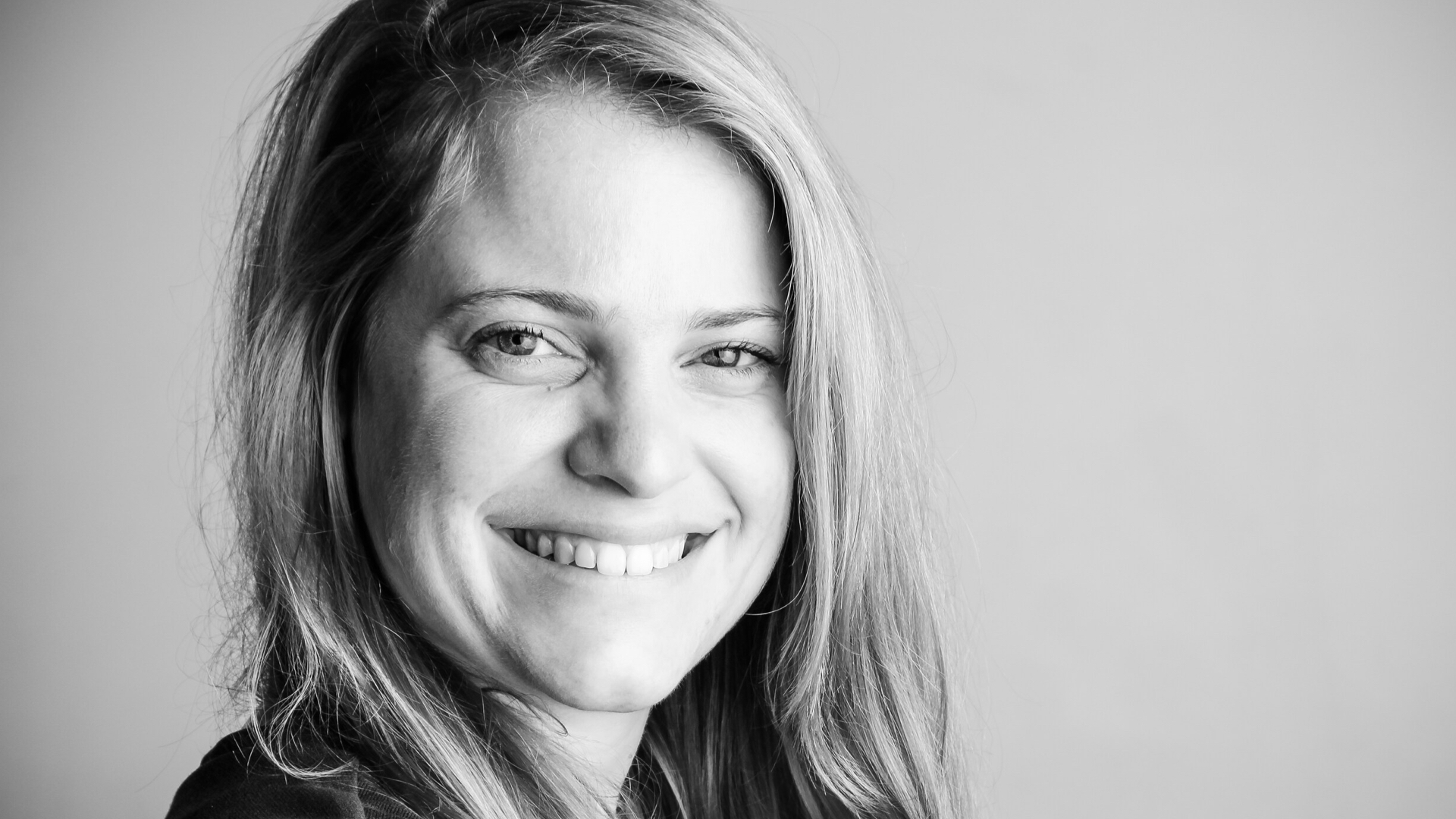
Lieke Asma is a philosopher (PhD) and psychologist (MSc) specialising in the philosophy of action, free will, and moral responsibility. She is a postdoctoral researcher at the Munich School of Philosophy, where she explores how human agency emerges in everyday life.
She is the author of 'Mijn intenties en ik: Filosofie van de vrije wil (2021)', which was shortlisted for both the Socratesbeker and the Hypatiaprijs, and 'Blinde vlekken: Hoe impliciete vooroordelen ons (mis)leiden (2024)'. In her research and public engagements, she bridges philosophy, psychology, and real-world decision-making, offering a fresh perspective on how we understand choice, responsibility, and autonomy.