Thu. December 18, 11:30AM
Midday classical concert in the Merode Salon
Enjoy a classical interlude with young talent from the Brussels Conservatory.
Please note: doors close promptly at 12:00. To respect the performers and fellow guests, no entry will be allowed once the concert begins.
Programme:
Johann Sebastian Bach
▪︎ « Siciliana » from flute sonata nr 2 in e-flat major BWV 1031 arranged for clarinet, violin and cello
Johann Sebastian Bach
▪︎ « Prélude » from cello suite nr 1 in g major BWV 1007
Johann Sebastian Bach
▪︎ « Adagio » from violin sonata nr 1 in g minor BWV 1001
Adolphus Hailstork
▪︎ « Three smiles for Tracey » for solo clarinet
Joseph Haydn
▪︎ « London Trio » in c major Hob. IV arranged for clarinet, violin and cello
Olivier Messiaen
▪︎« Intermède » from « Quatuor pour la fin du Temps »
Wolfgang Amadeus Mozart
▪︎Highlights from « Don Giovanni » arranged for clarinet, violin and cello
Armand-Witold Fessard, clarinet
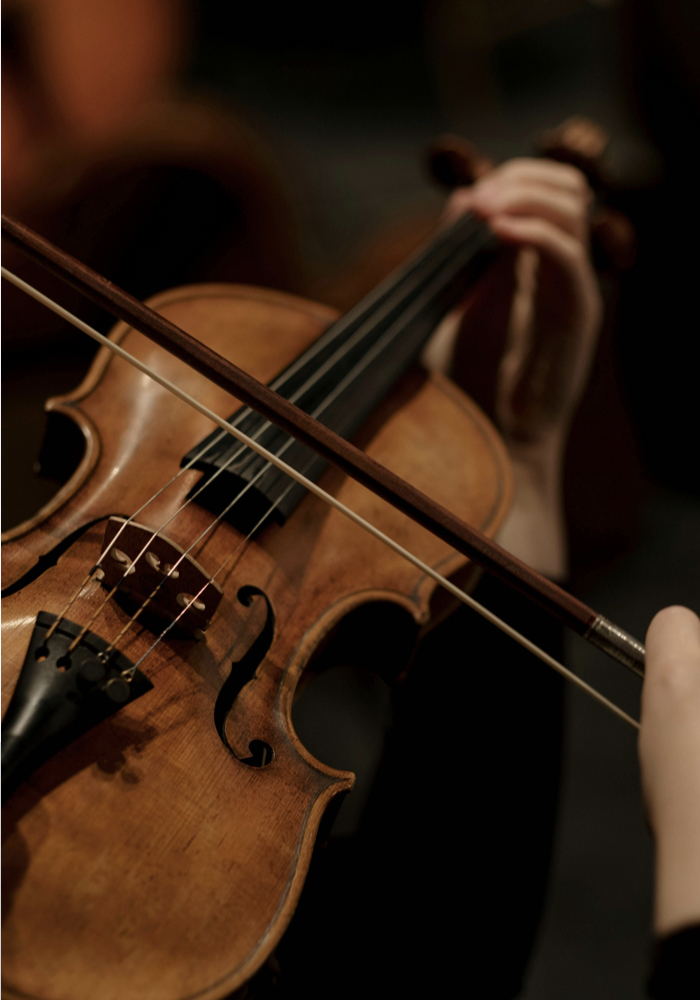
William Grynszpan, violin
Benjamin Grynszpan, cello
In collaboration with the Royal Conservatoire of Brussels: https://www.conservatoire.be/en/
speaker
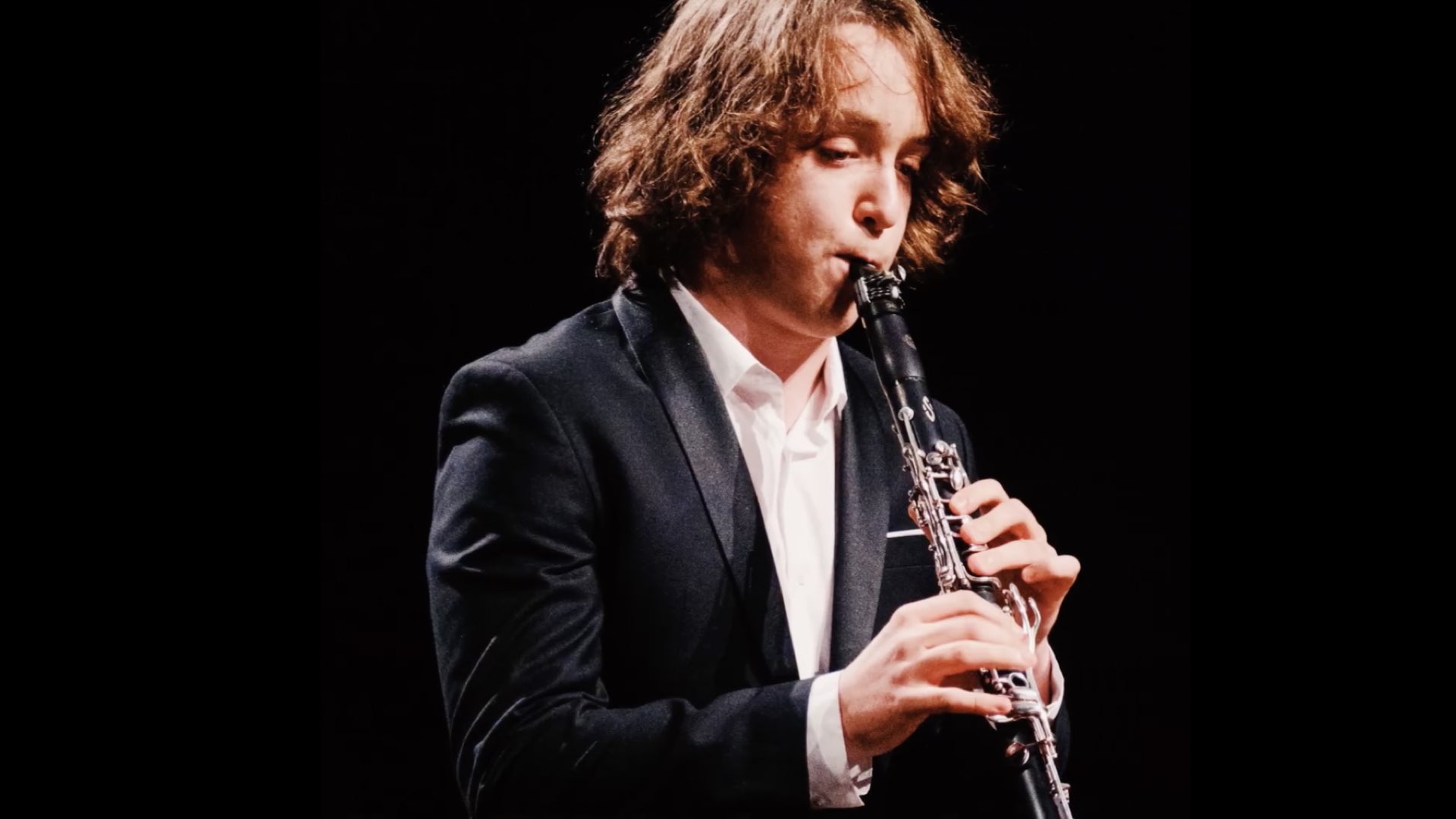
Armand Witold Fessard
speaker
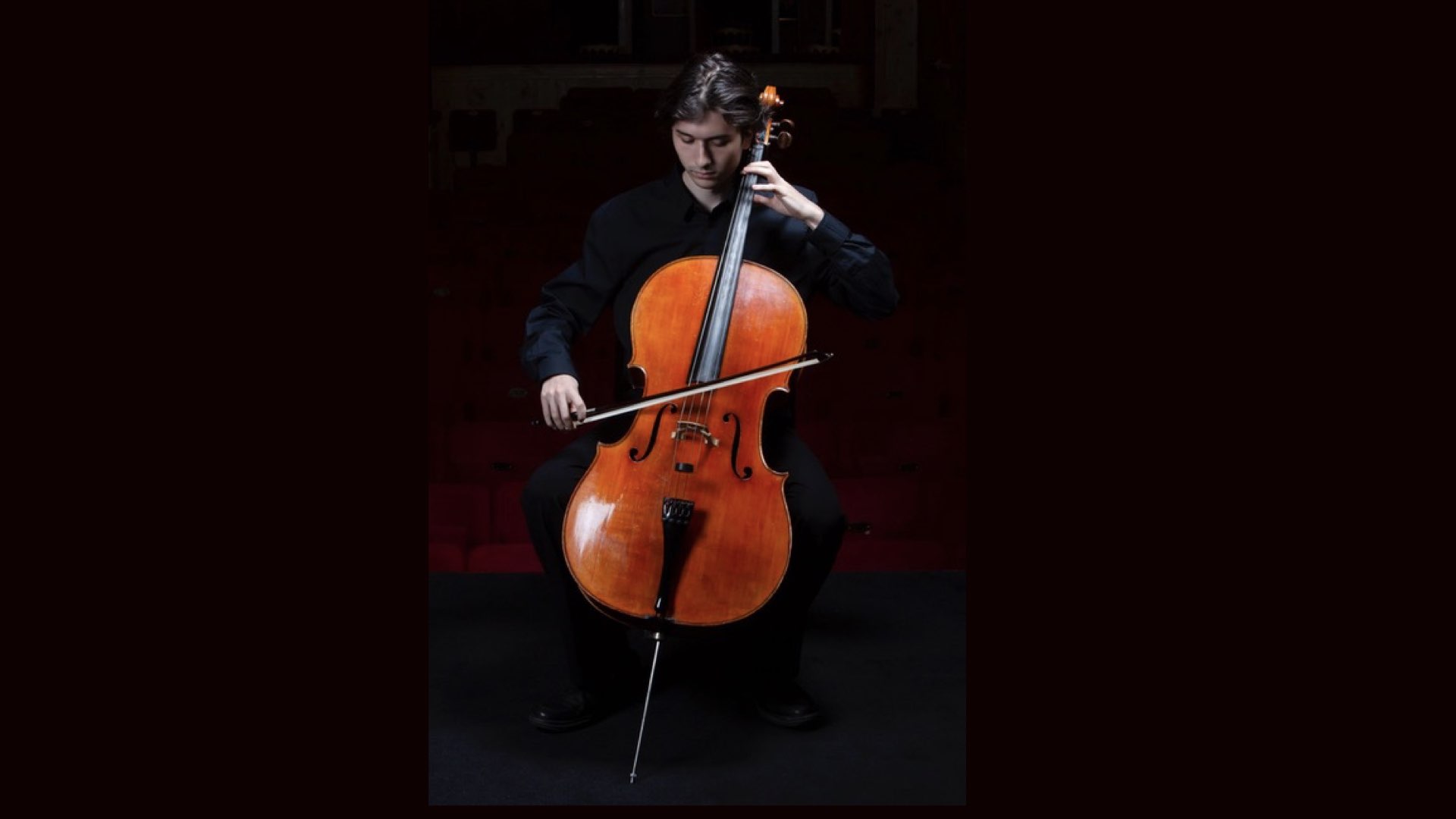
Benjamin Grynszpan
speaker
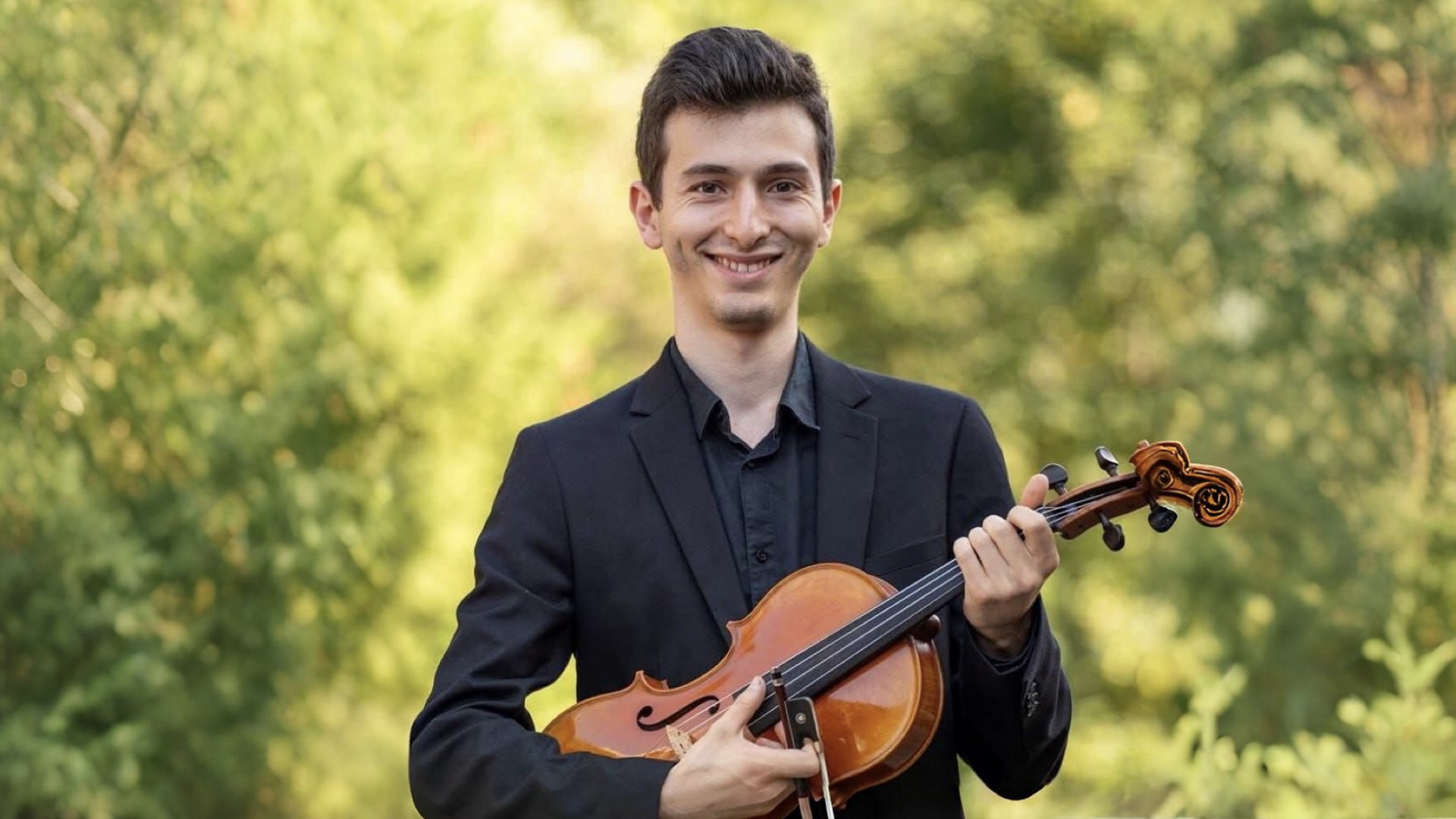
William Grynszpan
moderator
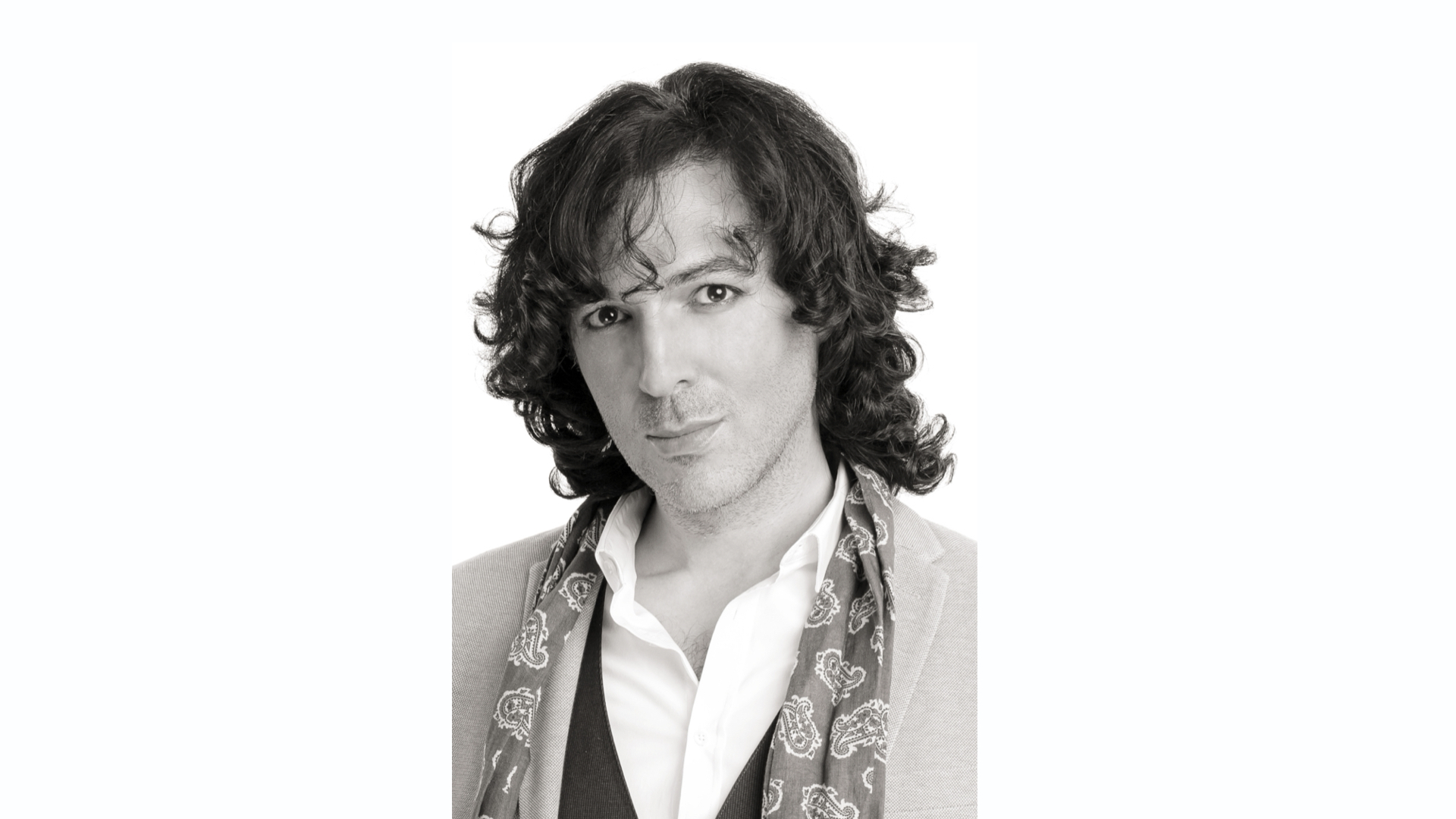
Dominique Corbiau