Wed. June 7, 6:45PM
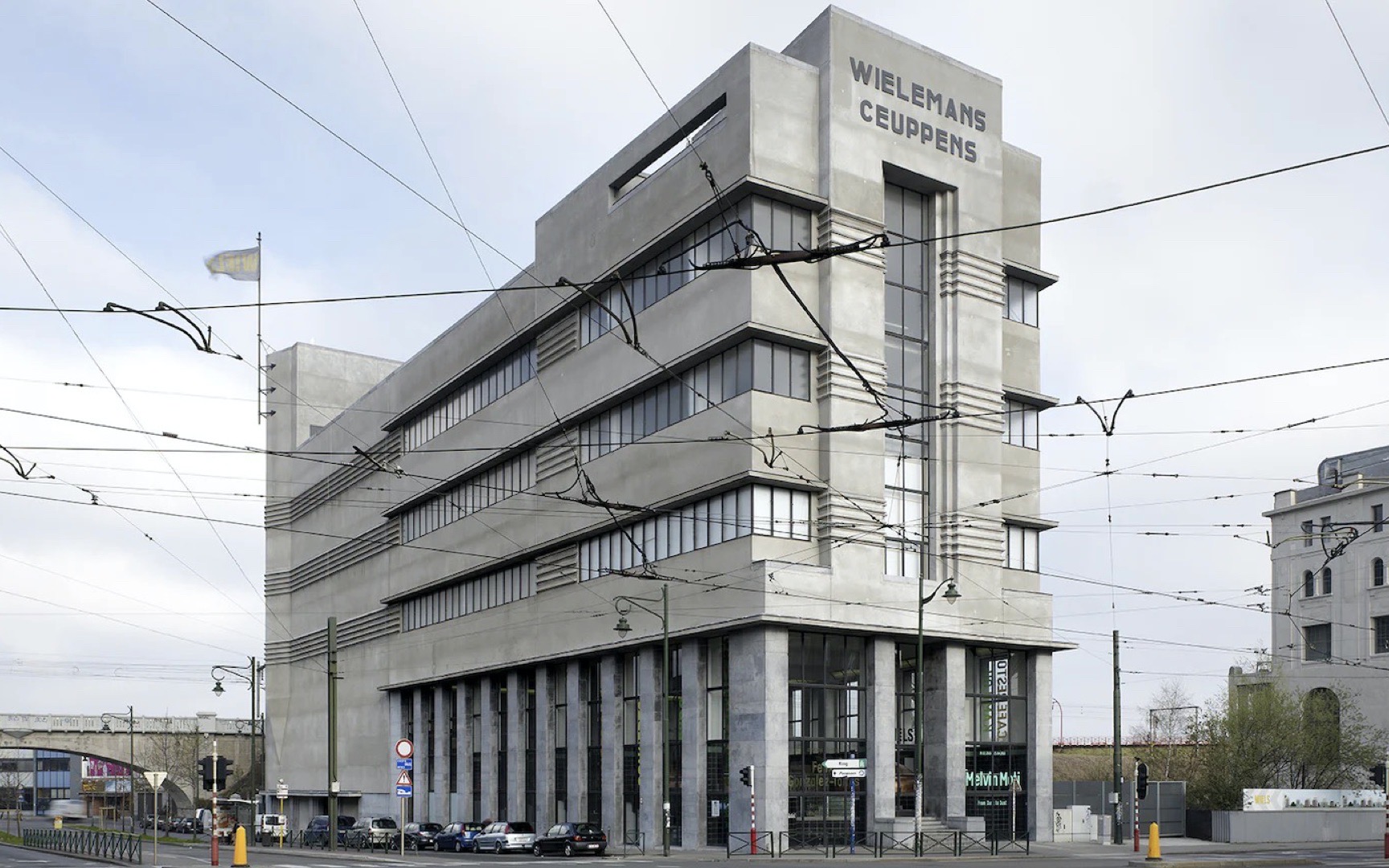
Evening visit at Wiels: Espaces souples by Tapta
A guided tour of the exhibition Espaces souples, an ode to the work of Polish-Belgian artist Tapta. The exhibition includes works by Greet Billet, Hana Miletić and Richard Venlet.
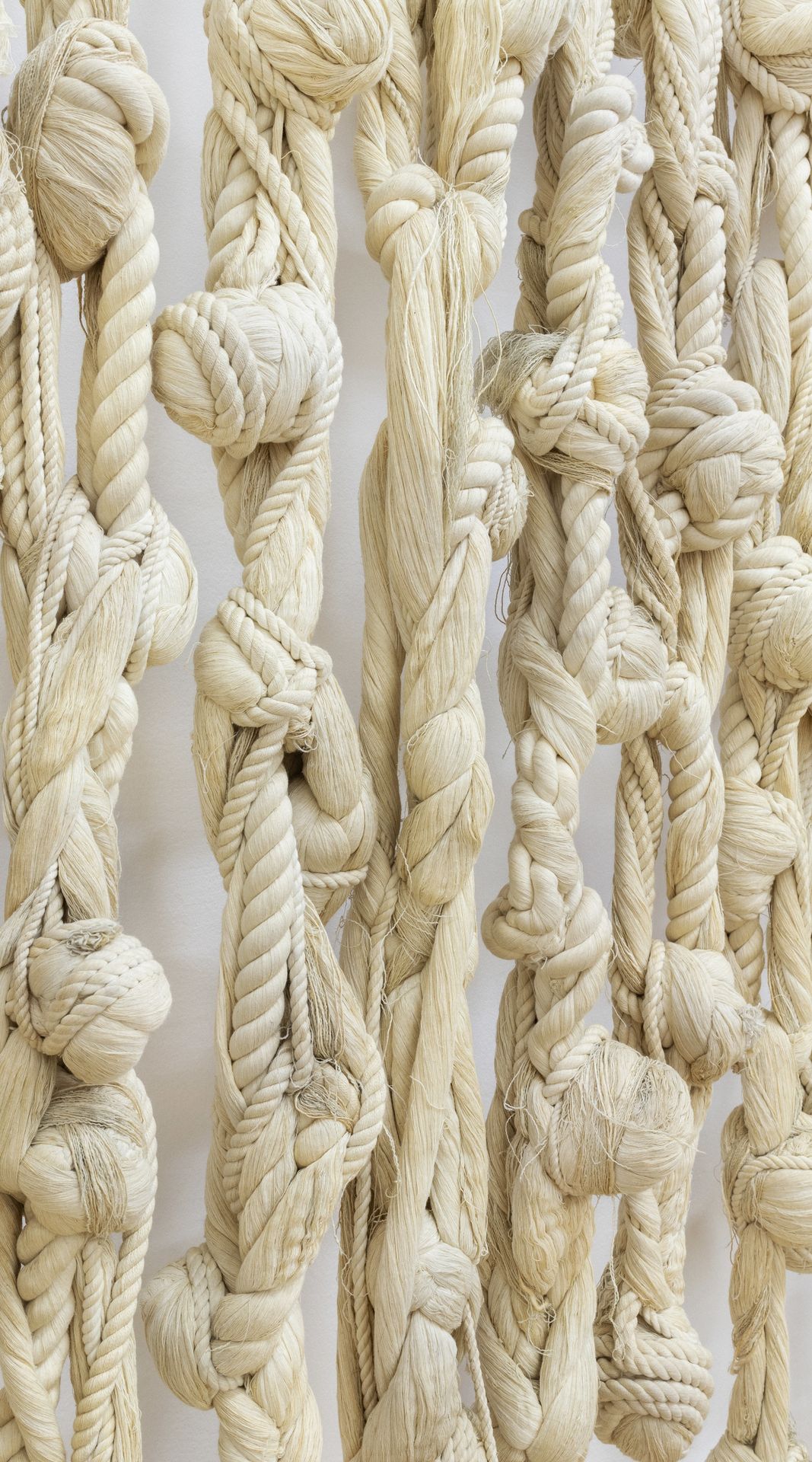
This exhibition centers on Tapta’s attention to the tactility of her materials, the suppleness of structures, individual and collective practice, and the interaction between artwork, space and viewer.
The Polish-Belgian artist Tapta set out in the 1960s to radically redefine sculpture by using textiles and other flexible materials as sculptural elements.
The exhibition focuses on Tapta’s signature works from the 1970s, in which she steadily distanced herself from traditional weaving through experimental techniques such as twisting her woven pieces and using knotted ropes. In interaction with the space and the viewer, the works are experienced not only visually but also in a tactile and physical manner.
In addition to historical works by Tapta herself, the present exhibition includes new pieces by three contemporary artist-teachers, Greet Billet, Hana Miletić and Richard Venlet.
The exhibition is curated by Liesbeth Decan, lecturer and researcher at Luca School of Arts.
About the artist:
Maria Wierusz-Kowalski (Poland, 1926 – Brussels, 1997), known as Tapta was a Belgian sculptor.
After taking part in the Warsaw Uprising, she came to Belgium in 1944 where she studied fine art and weaving at La Cambre, Brussels. Upon her return after 10 years in the Belgian Congo, Tapta swiftly established herself as one of the most important members of a new generation of artists, who sought to redefine sculpture by using textiles and other flexible materials as sculptural elements.
Tapta was appointed teacher at La Cambre where she headed the textile workshop from 1976 to 1990, renaming it ‘Flexible Sculpture’. Amongst her students were Ann Veronica Janssens, Monica Droste and Marie-Jo Lafontaine.
The Polish-Belgian artist Tapta set out in the 1960s to radically redefine sculpture by using textiles and other flexible materials as sculptural elements.
The exhibition focuses on Tapta’s signature works from the 1970s, in which she steadily distanced herself from traditional weaving through experimental techniques such as twisting her woven pieces and using knotted ropes. In interaction with the space and the viewer, the works are experienced not only visually but also in a tactile and physical manner.
In addition to historical works by Tapta herself, the present exhibition includes new pieces by three contemporary artist-teachers, Greet Billet, Hana Miletić and Richard Venlet.
The exhibition is curated by Liesbeth Decan, lecturer and researcher at Luca School of Arts.
About the artist:
Maria Wierusz-Kowalski (Poland, 1926 – Brussels, 1997), known as Tapta was a Belgian sculptor.
After taking part in the Warsaw Uprising, she came to Belgium in 1944 where she studied fine art and weaving at La Cambre, Brussels. Upon her return after 10 years in the Belgian Congo, Tapta swiftly established herself as one of the most important members of a new generation of artists, who sought to redefine sculpture by using textiles and other flexible materials as sculptural elements.
Tapta was appointed teacher at La Cambre where she headed the textile workshop from 1976 to 1990, renaming it ‘Flexible Sculpture’. Amongst her students were Ann Veronica Janssens, Monica Droste and Marie-Jo Lafontaine.