Tue. May 6, 6:30PM
Belgium in transition: Economy, work, and ambition
A conversation with David Clarinval, federal minister of economy and employment, and Pieter Timmermans, CEO of the federation of Belgian enterprises
Belgium stands at a pivotal moment. As global power dynamics shift, supply chains are being restructured, and the principles of free trade are being re-evaluated. Amid this global economic upheaval, the Belgian government is embarking on ambitious structural reforms aimed at revitalizing employment and sharpening national competitiveness.
David Clarinval, Belgium’s Deputy Prime Minister and Federal Minister of Economy, Employment and Agriculture, is at the heart of these reforms. Known for his pro-business stance and emphasis on structural modernization, he is driving key policy changes to strengthen Belgium’s position in Europe and beyond.
He will be joined by Pieter Timmermans, CEO of the Federation of Belgian Enterprises (FEB), which represents over 30,000 Belgian businesses, including 25,000 SMEs. A central figure in the national economic landscape, Timmermans brings the perspective of the private sector to the debate on how Belgium can best adapt and thrive.
This timely conversation offers an insider look at the challenges and opportunities shaping the future of Belgium’s economy—and the strategies that could redefine our role on the world stage.
speaker
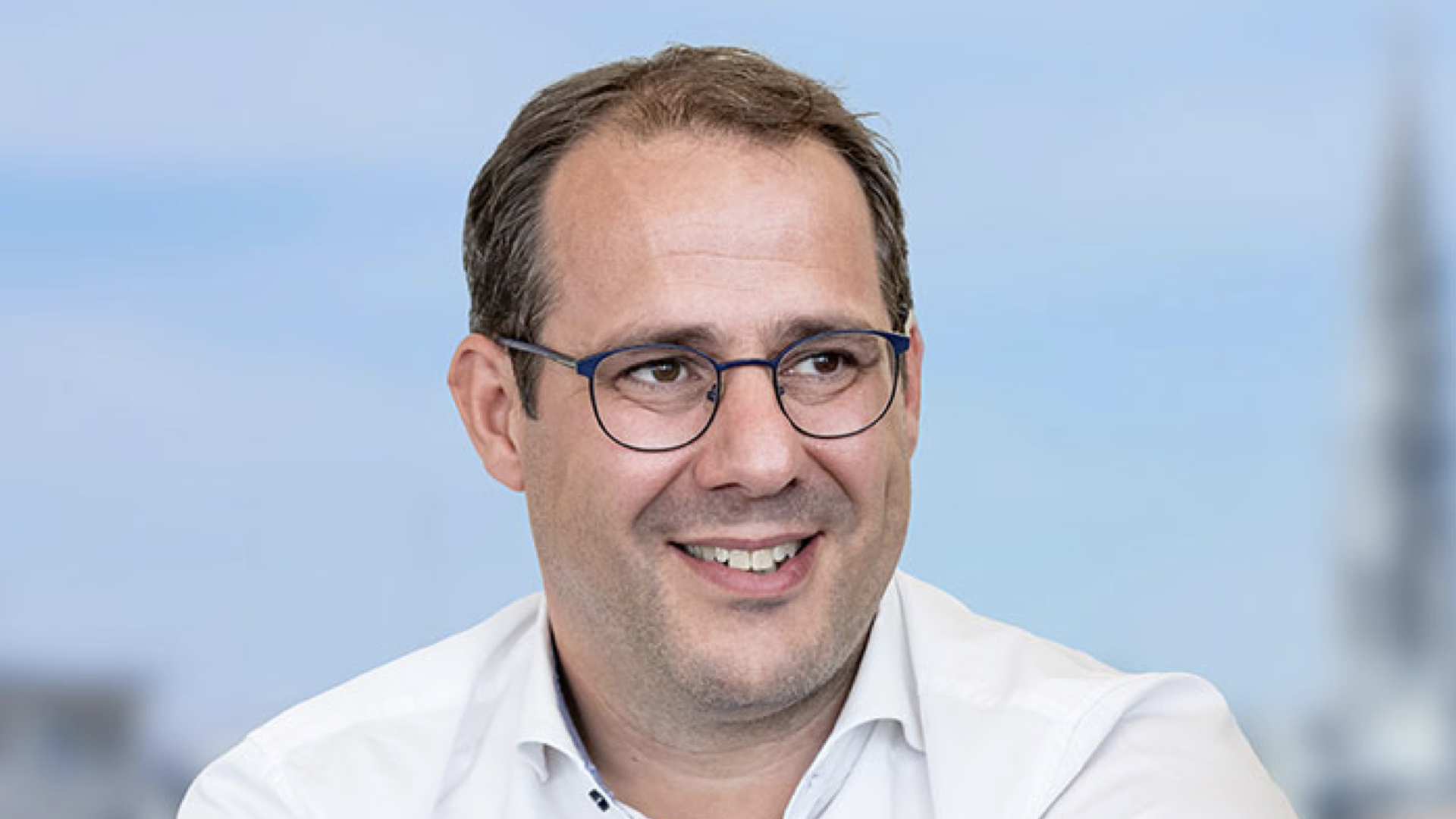
David Clarinval
speaker
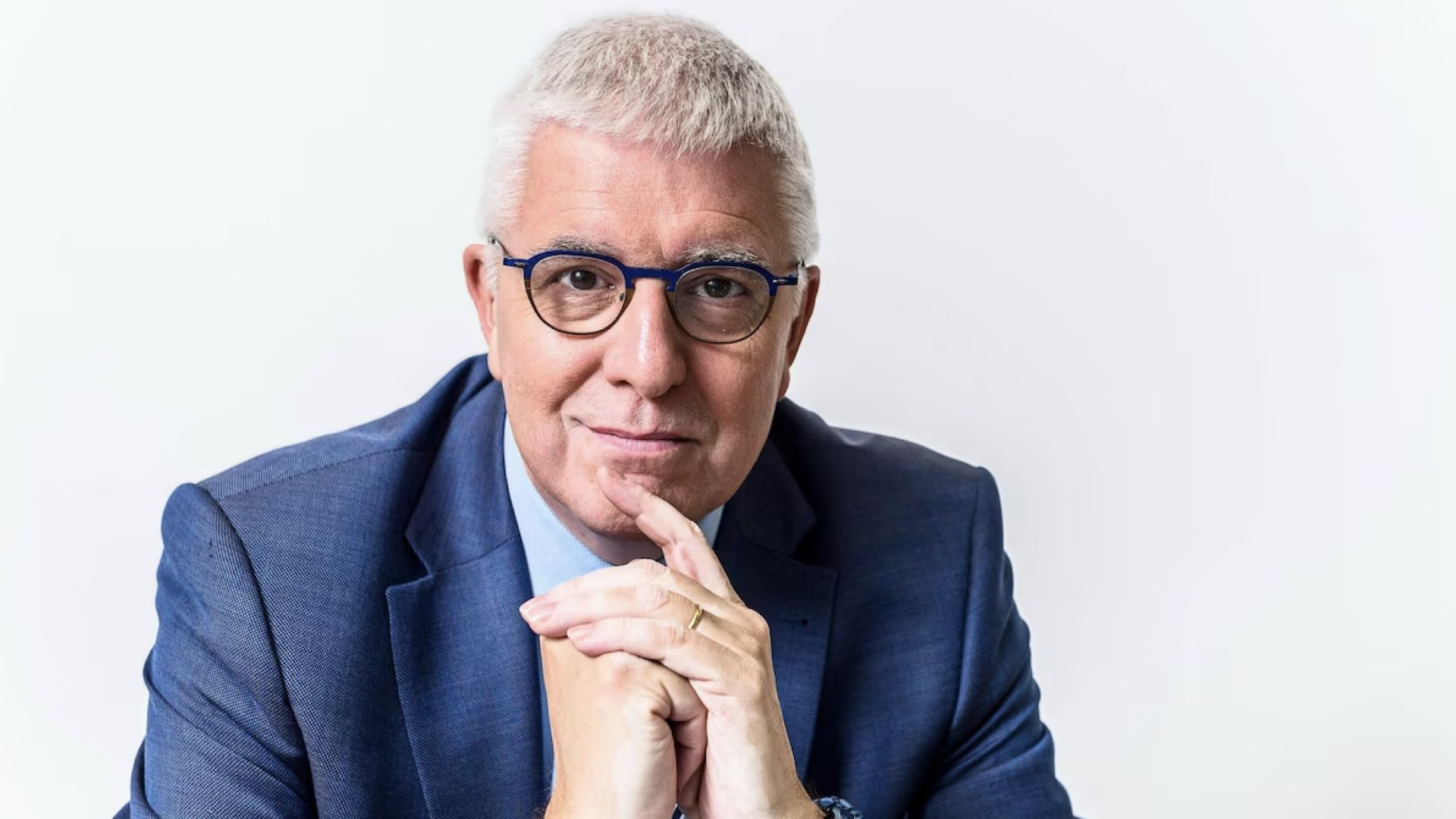
Pieter Timmermans
moderator

Salma Haouach