Thu. February 5, 6:30PM
The politics of movement
How power, economics and public emotion collide when cities try to change the way we move
Public transport can be a misunderstood and polarising issue in urban life. It sparks debates about freedom, fairness, identity and public space, but also about jobs, competitiveness and economic vitality. A city’s mobility system determines who can access work, how businesses operate, and whether growth is inclusive or uneven. Behind every bus lane, tram line or traffic plan lie deeper questions about how a city’s economy actually works.
This event takes a deep dive into that tension. It brings together three voices from different corners of the mobility world to examine why transforming how we move remains so politically charged:
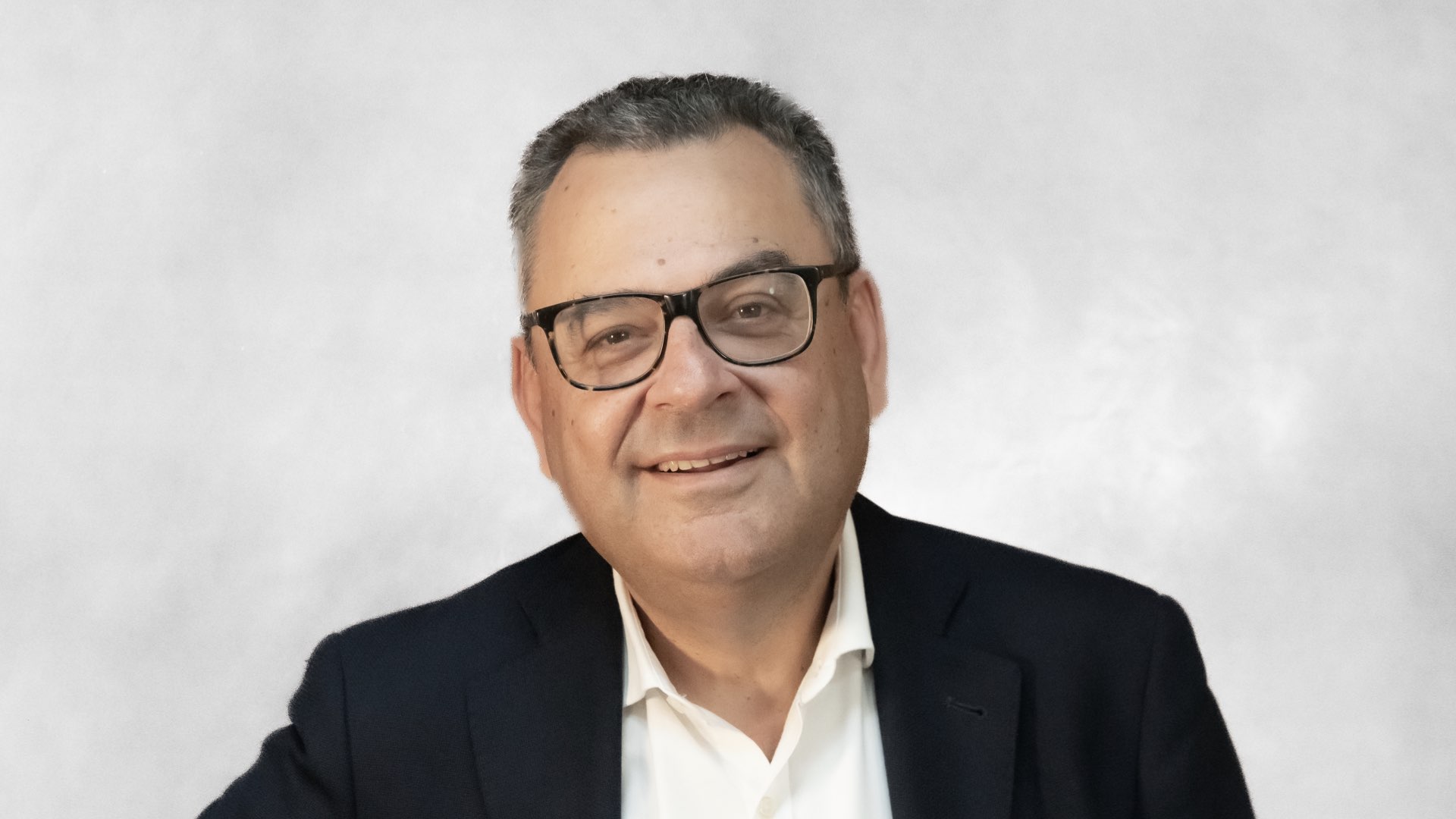
Mohamed Mezghani, Secretary General of International Association of Public Transport (UITP), offers the global systems perspective: how hundreds of cities are tackling decarbonisation, workforce shortages, productivity challenges and the shift to shared mobility.
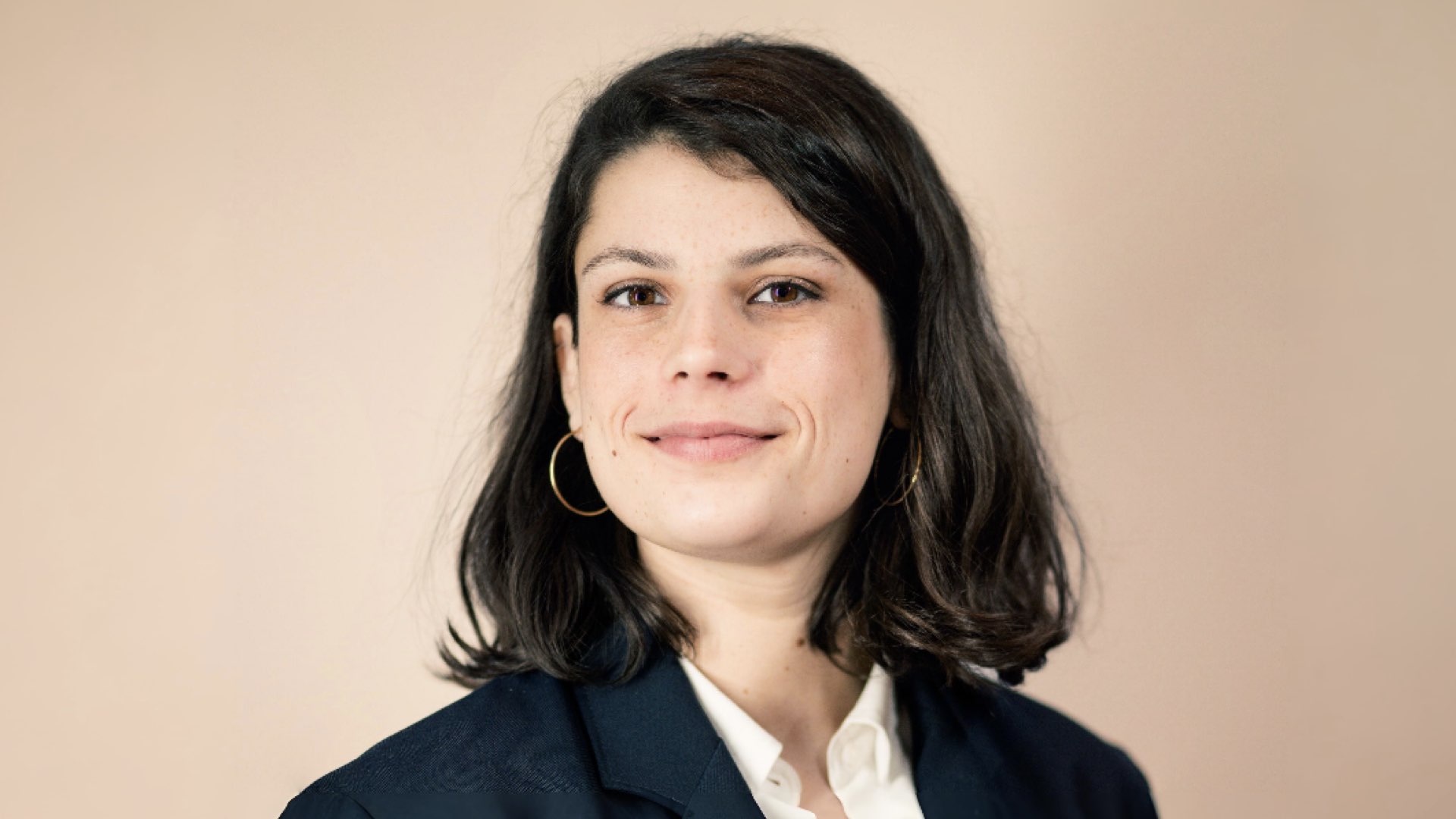
Salomé Minnebois, rail infrastructure bid manager at Alstom and vice president of Femmes en Mouvement, brings the industry and inclusion lens. She highlights the economic realities of building and financing mass transit, the role of rail in supporting growth, and the safety and gender dimensions that influence who participates in a city’s labour market.
Elke Van den Brandt, Brussels Minister for Mobility, Public Works and Road Safety, adds the local political perspective. She confronts the daily battles over space, cars and public acceptance in a capital where mobility is directly tied to business productivity, congestion costs and regional competitiveness. Her work shows how neighbourhood resistance, public mistrust and fear of change can shape (or stall) a city’s economic trajectory.
Together they explore a core question shaping Europe’s cities today: what happens to a city’s economy when public transport becomes political, and who gains or loses when we ask people to move differently?
Moderated by Jack Parrock, this conversation examines the emotional, economic and political forces that will determine the future of movement in Brussels and beyond.
speaker
Mohamed Mezghani
speaker
Salomé Minnebois
speaker
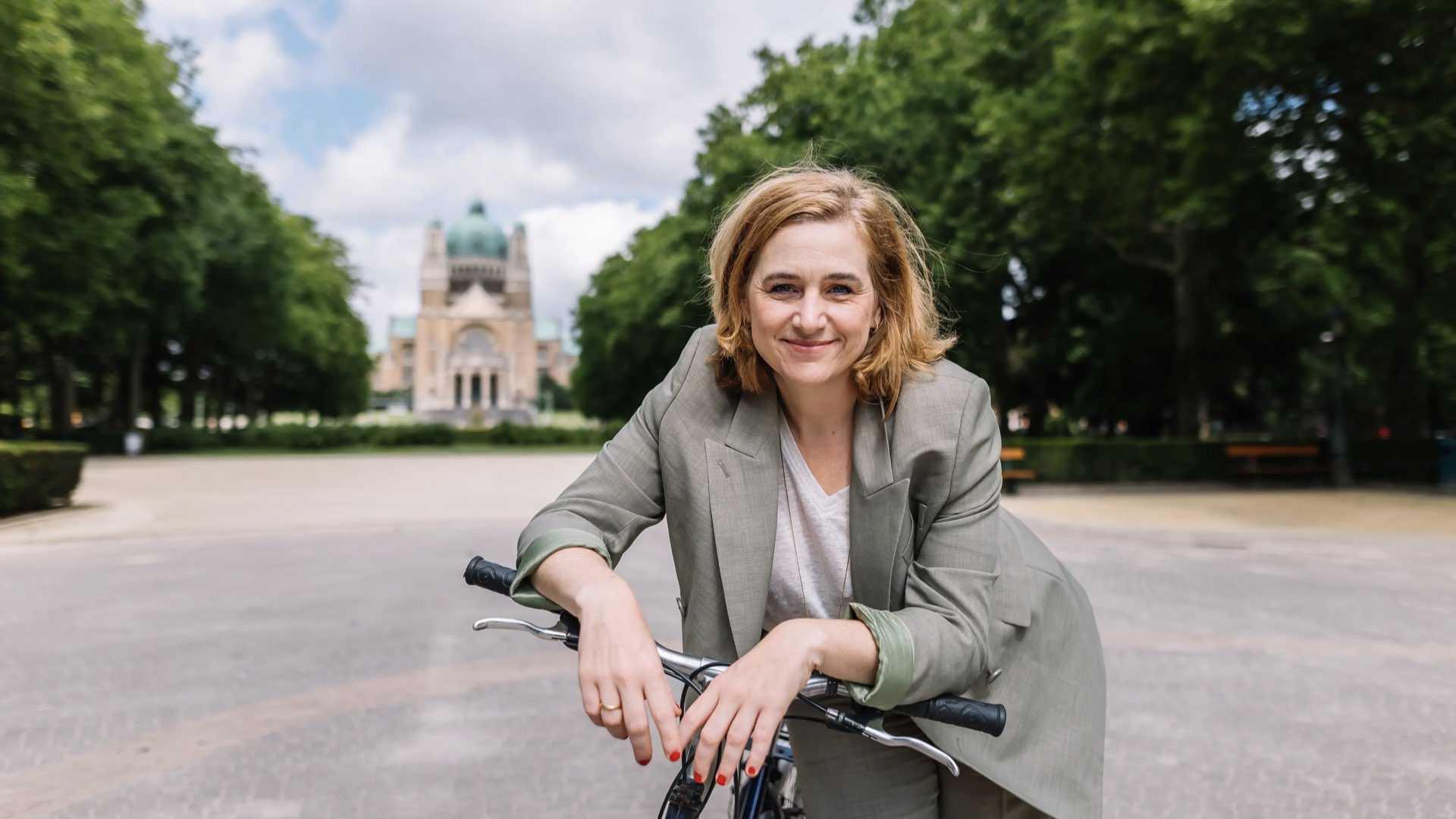
Elke Van Den Brandt
moderator
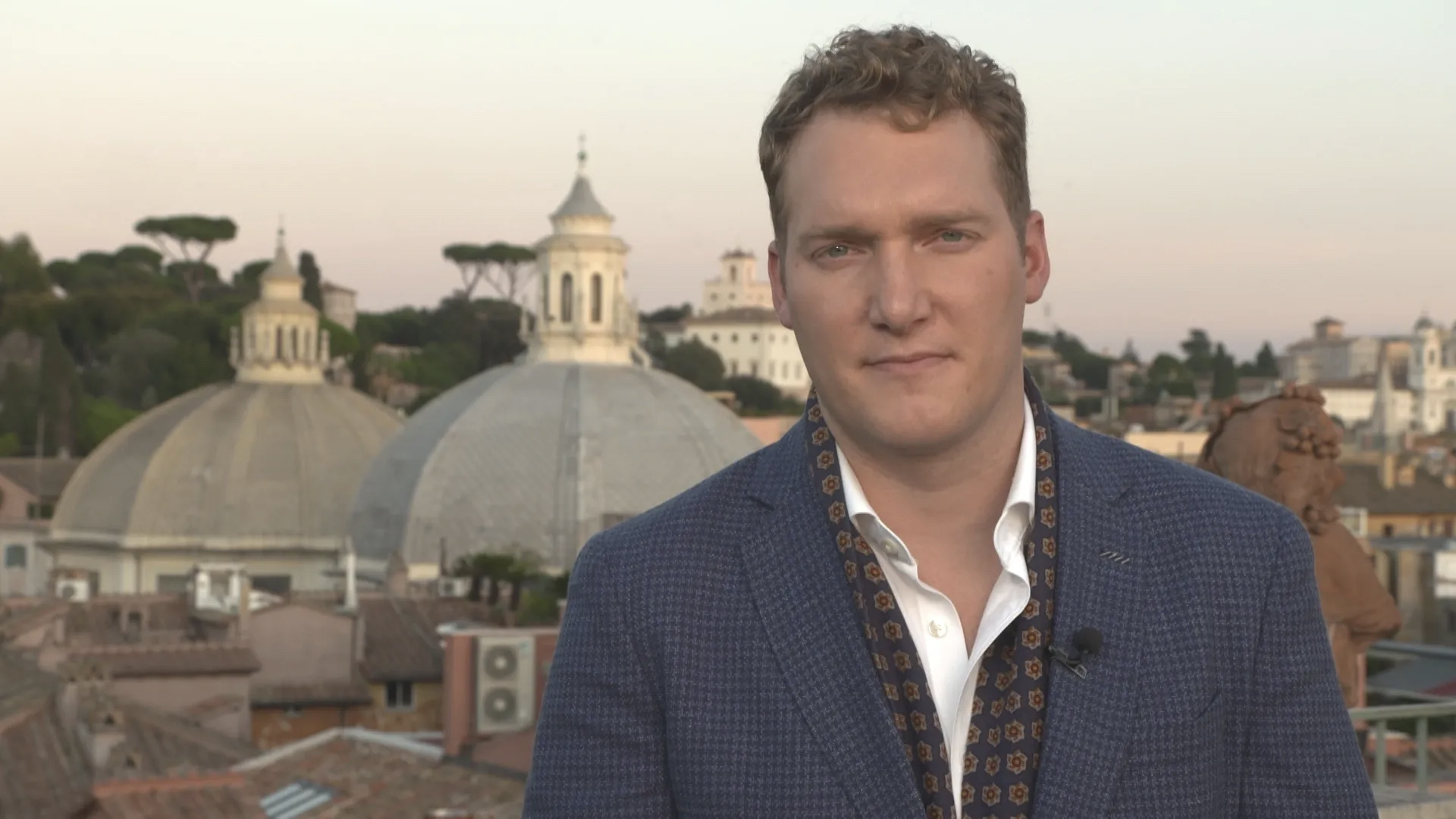
Jack Parrock