

Tue. March 31, 6:30PM
The fertility trap
Why modern societies no longer know how to reproduce themselves
Birth rates are falling fast across Europe and much of the developed world. Governments panic, economists calculate, politicians promise bonuses and tax credits, yet people keep having fewer children.
We start from the facts: shrinking working-age populations, rising dependency ratios, and a future in which two workers may soon be supporting one pensioner. The arithmetic is unforgiving. But numbers alone do not explain why having children has become such a fraught decision.
Beyond incentives and migration forecasts, this conversation digs into deeper questions. How have parenting, family life and expectations shifted across generations? Why do many younger adults, even in wealthy societies, hesitate to have children at all? And why does the decision still carry such uneven costs — with women continuing to bear most of the biological, professional and social burden, often at a enduring price to their careers, income and autonomy?
We will examine whether migration can realistically offset demographic decline, why fertility rates tend to converge downward everywhere, and why some countries are experimenting with policies that border on the absurd. We will also dare to ask uncomfortable questions about migration, identity and whether a society can remain the same as its population changes.
speaker
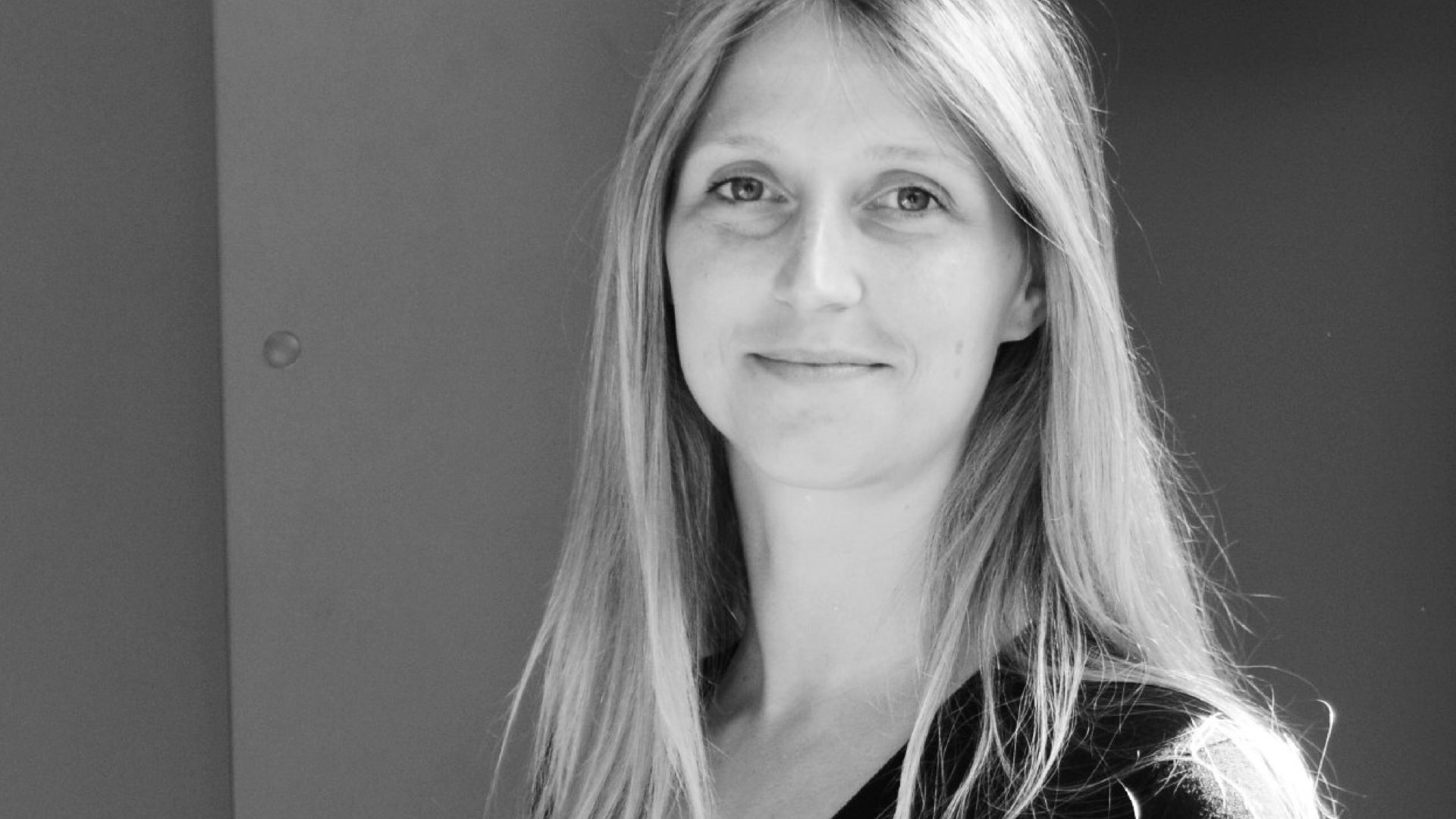
Stephanie De Smedt
speaker

Jacob Funk Kirkegaard
moderator
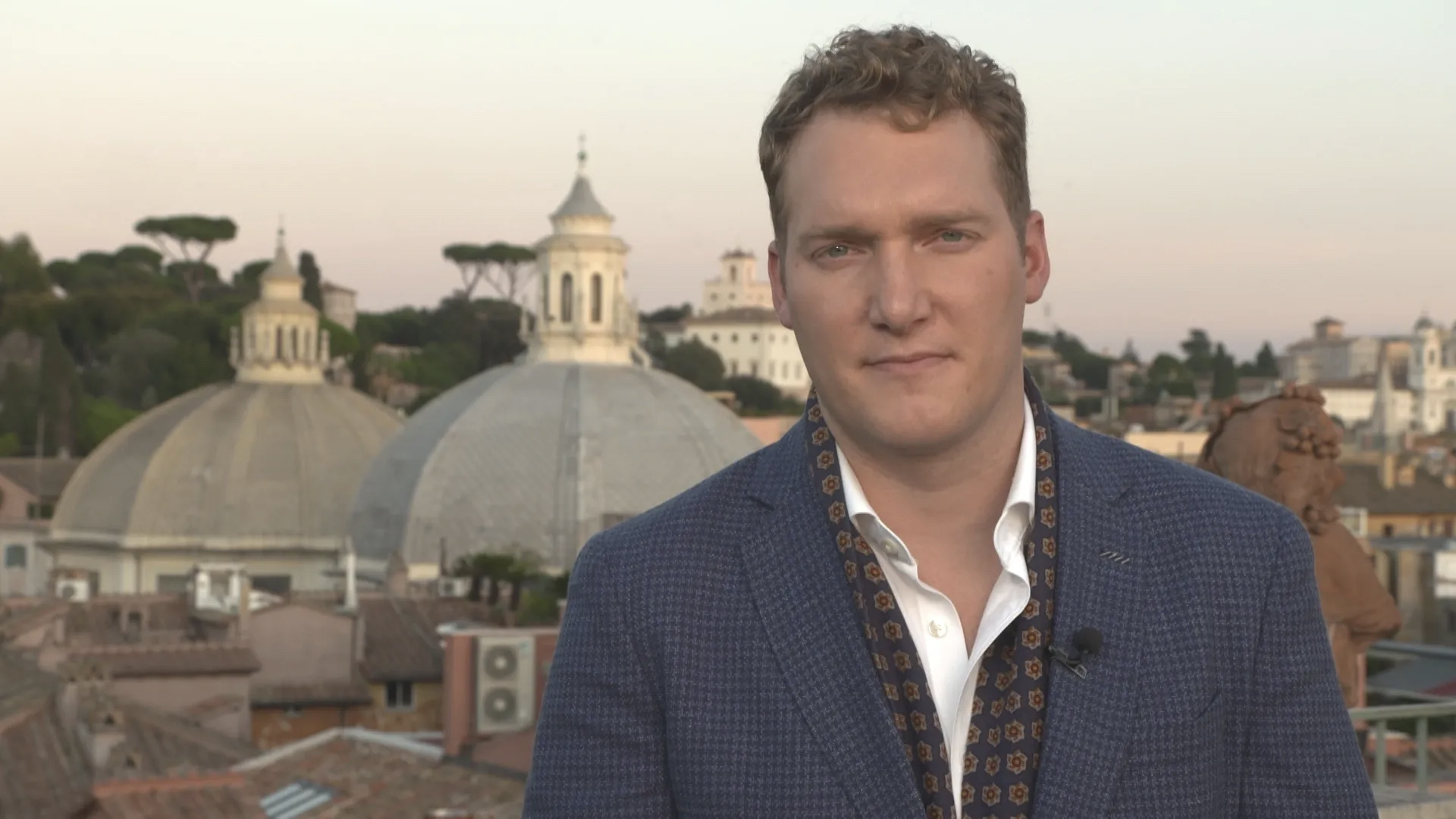
Jack Parrock