Wed. May 14, 6:30PM
The Art Market during World War II
A journey into art history with the Director of the Royal Museums of Fine Arts of Belgium.
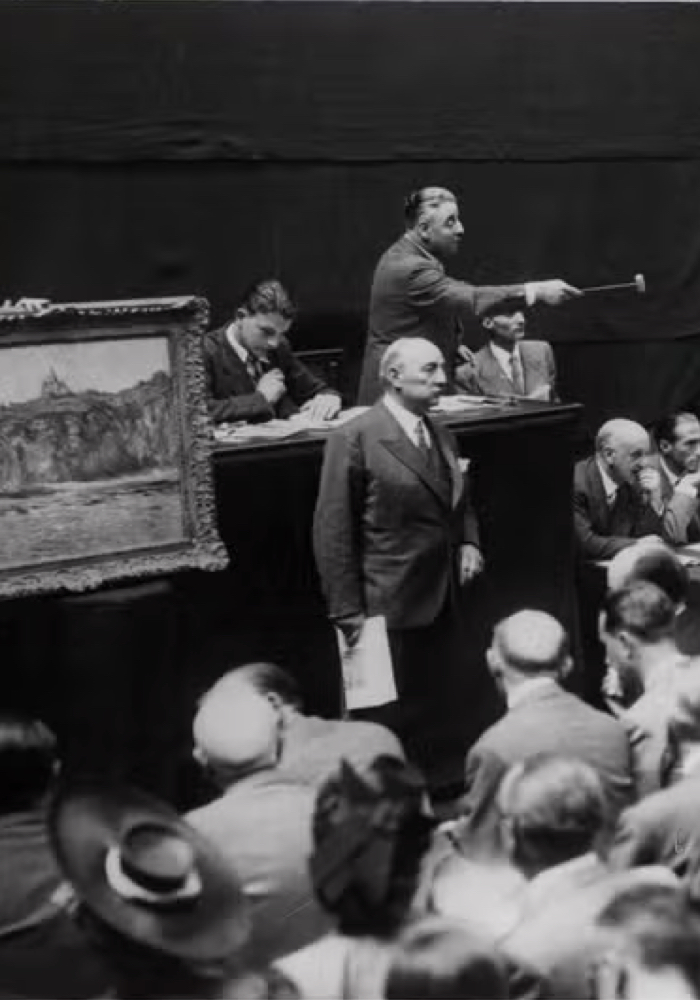
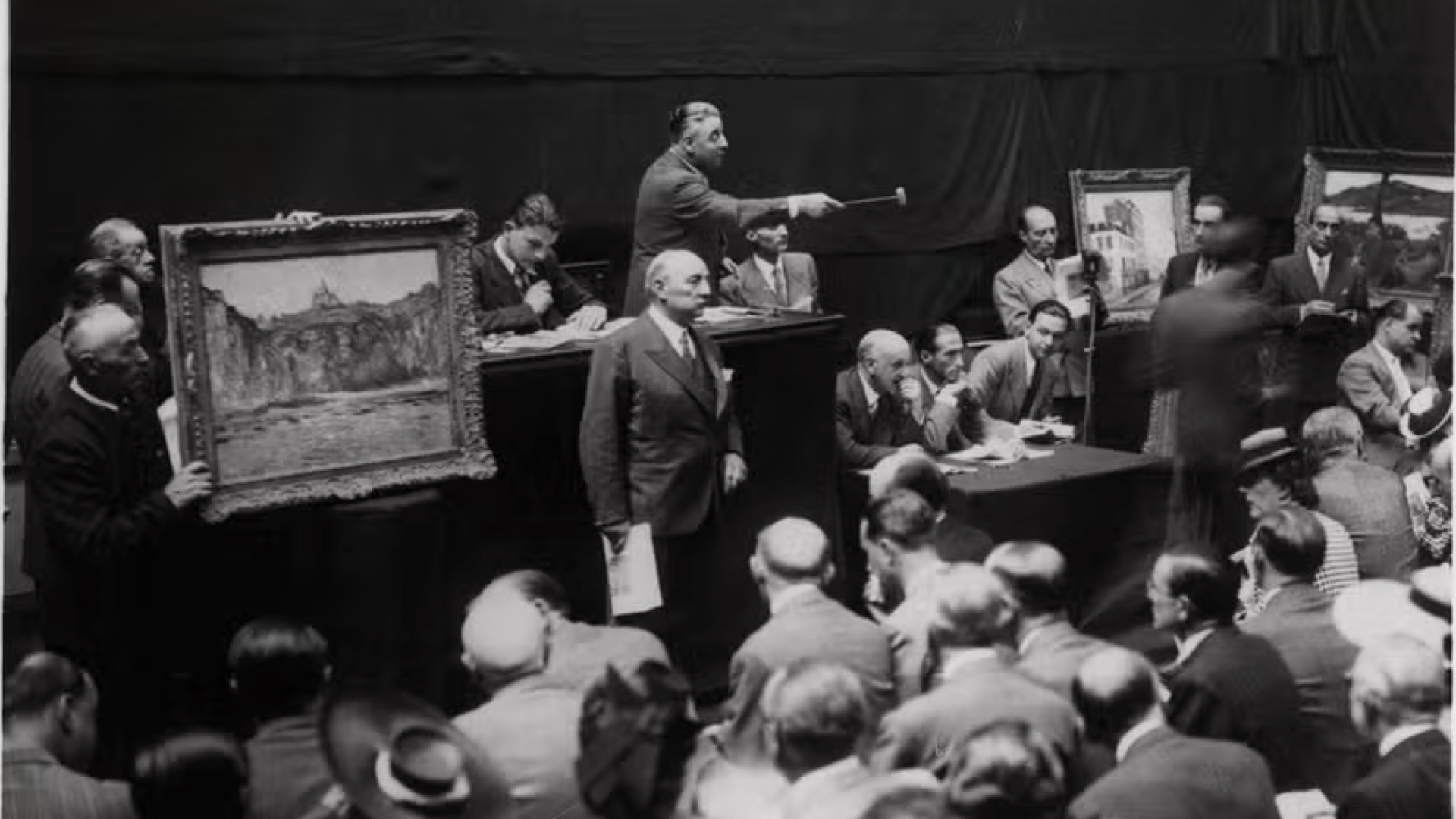
When we think of artworks in the context of World War II, looting often comes to mind - and rightly so. Looting was a defining feature of the wartime art market. But it was only part of a much broader transformation in how art was bought and sold during the conflict.
Kim Oosterlinck, the General Director of the Royal Museums of Fine Arts of Belgium and Professor at the Solvay Brussels School (ULB), unpacks how the art market responded to one of the most turbulent periods in history.
Drawing on databases tracking the prices of artworks sold at auction, this lecture will explore how art markets evolved across different countries during the war. In some cases, investing in art became one of the most profitable financial strategies. The talk will examine how war economies, monetary reforms, and occupation dynamics shaped both the supply and demand for artworks.
Along the way, it will also touch on questions of expertise, authenticity, and quality - delving into the complex world of fakes, forgeries, and the shifting perception of value during times of turmoil.
speaker
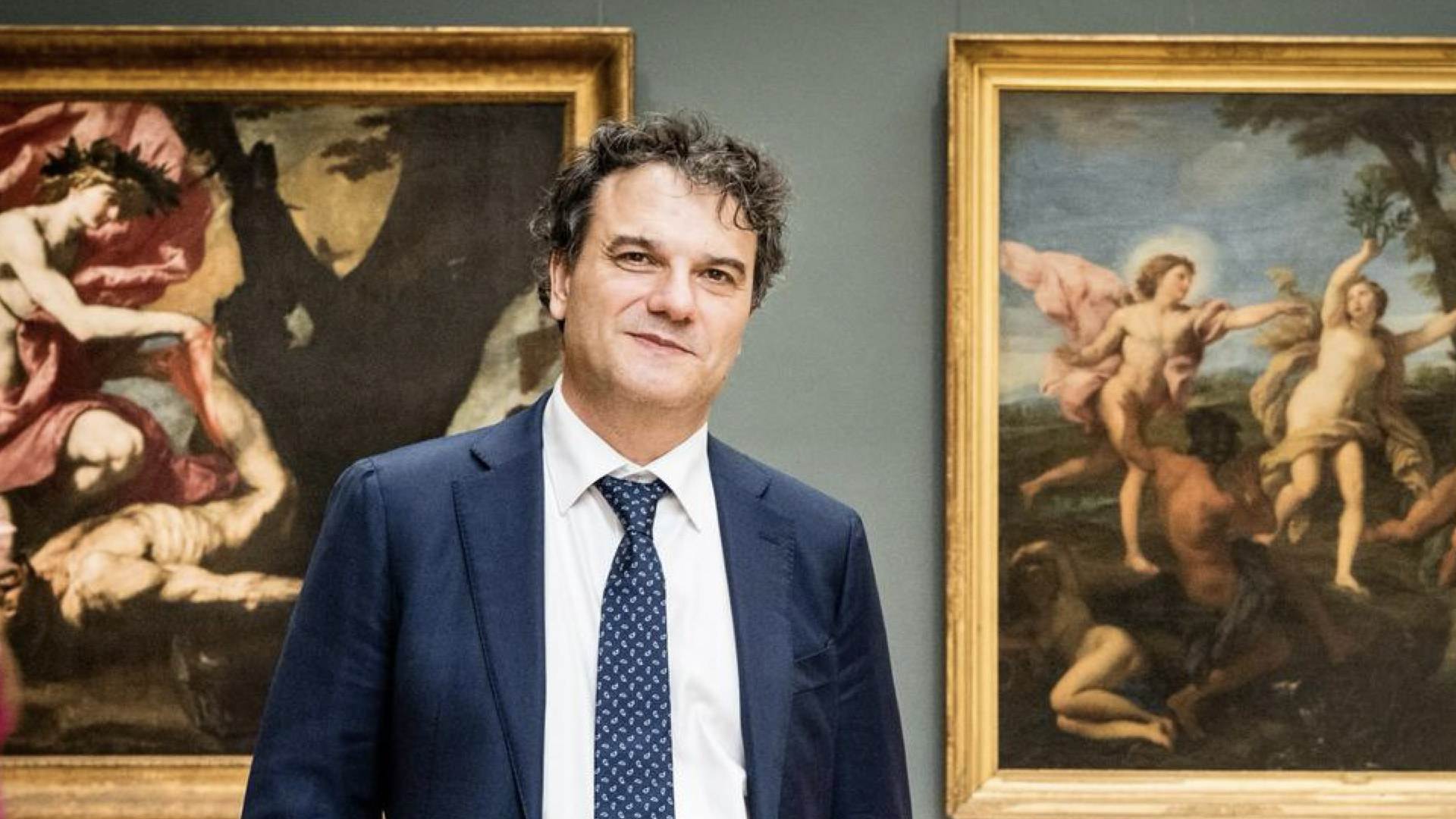
Kim Oosterlinck