
Thu. October 22, 8:15AM
Small Circle Networking Sessions - Board vs. CEO
An Intimate Gathering Created by Members, for Members
Why Does Your Board Look Like Your CEO?
An intimate gathering created by members, for members.
Small Circles Networking is a member-led breakfast format designed to spark meaningful conversations within our community.
Hosted at TheStables at 8:15 AM, each session is initiated and led by a fellow member who brings forward a topic, question, or area of expertise to explore with others. The format is intentionally intimate, encouraging open dialogue, thoughtful exchange, and genuine connection.
For this session, join fellow member Dr. Audrey-Flore Ngomsik, CEO of Trianon Scientific Communication, Vice-President of the Brussels Capital Region Climate Committee, and author of a peer-reviewed methodology implemented across 180 organizations in six sectors.
Small organizations build diverse boards. They have to. They are trying to reach people who do not yet know them and solve problems they have not encountered before. They need perspectives they do not already have. So, they go and find them.
The bigger the organization, the less diverse the board becomes. Not through a single decision. Through a series of individually reasonable ones. The CEO recommends someone they trust. That person recommends someone they know. The new member went to the same school, built their career in the same sector, belongs to the same networks. The board member recommended by a friend, hired after a dinner, whose CV looked reassuringly familiar. It happens in every sector. It has a cost that almost nobody has calculated.
Dr. Audrey-Flore Ngomsik has sat on 13 boards, from early-stage startups to established private companies and NGOs. The pattern she describes is not an exception. It is the rule.
This conversation puts three questions on the table.
What is a board for, when a decision needs to be made that nobody in the executive team can make alone? What happens to that function when every board member has a similar background, a similar career trajectory, and a similar instinct about what the right answer looks like?
And what does it cost? Because there is always a cost. It shows up in the decision everyone agreed on that turned out to be wrong. In the opportunity nobody spotted because nobody in the room was close enough to it. In the crisis that felt like it came out of nowhere but had been building for years.
If you have ever been the person in that room who sensed something was missing but could not name it, this conversation is for you.
You leave knowing which category of risk homogeneous boards consistently fail to see, with enough clarity to ask whether yours is one of them
Breakfast is at each participant's own cost.
Please note that this roundtable will be held in English.
speaker
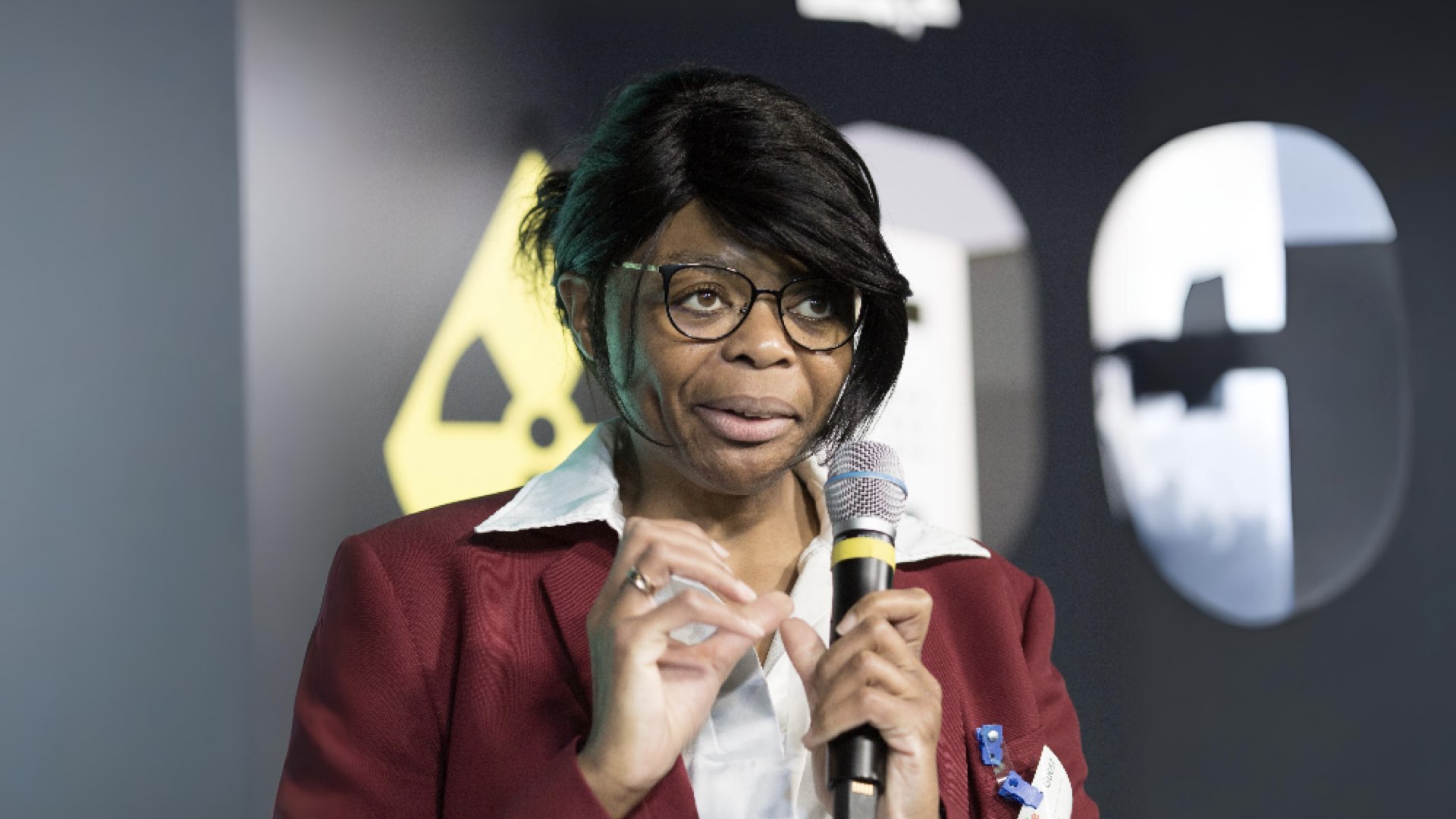
Audrey-Flore Ngomsik