Fri. October 16, 12:00PM
Salon Littéraire - Meet Elliot for a Bookshelf Conversation
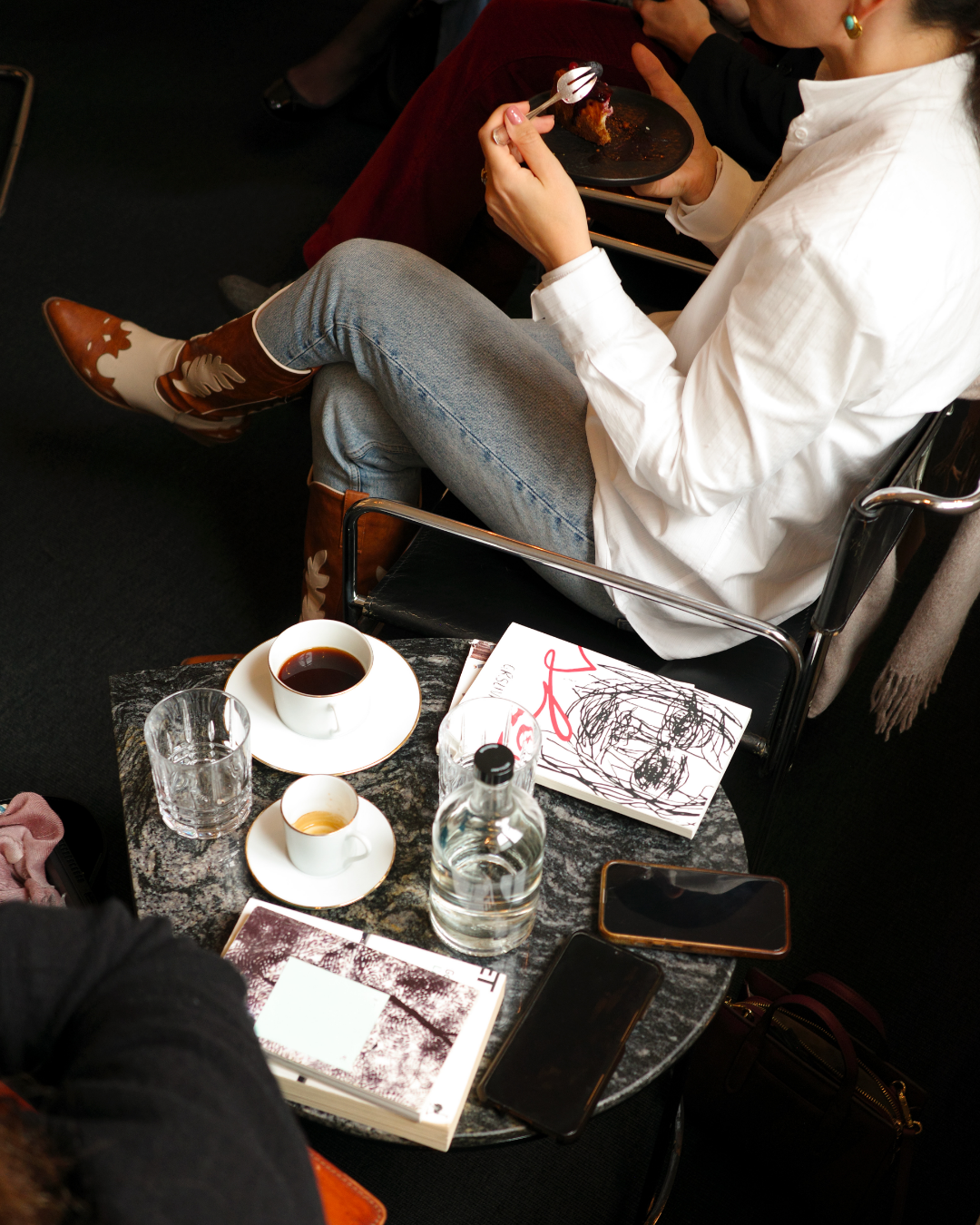
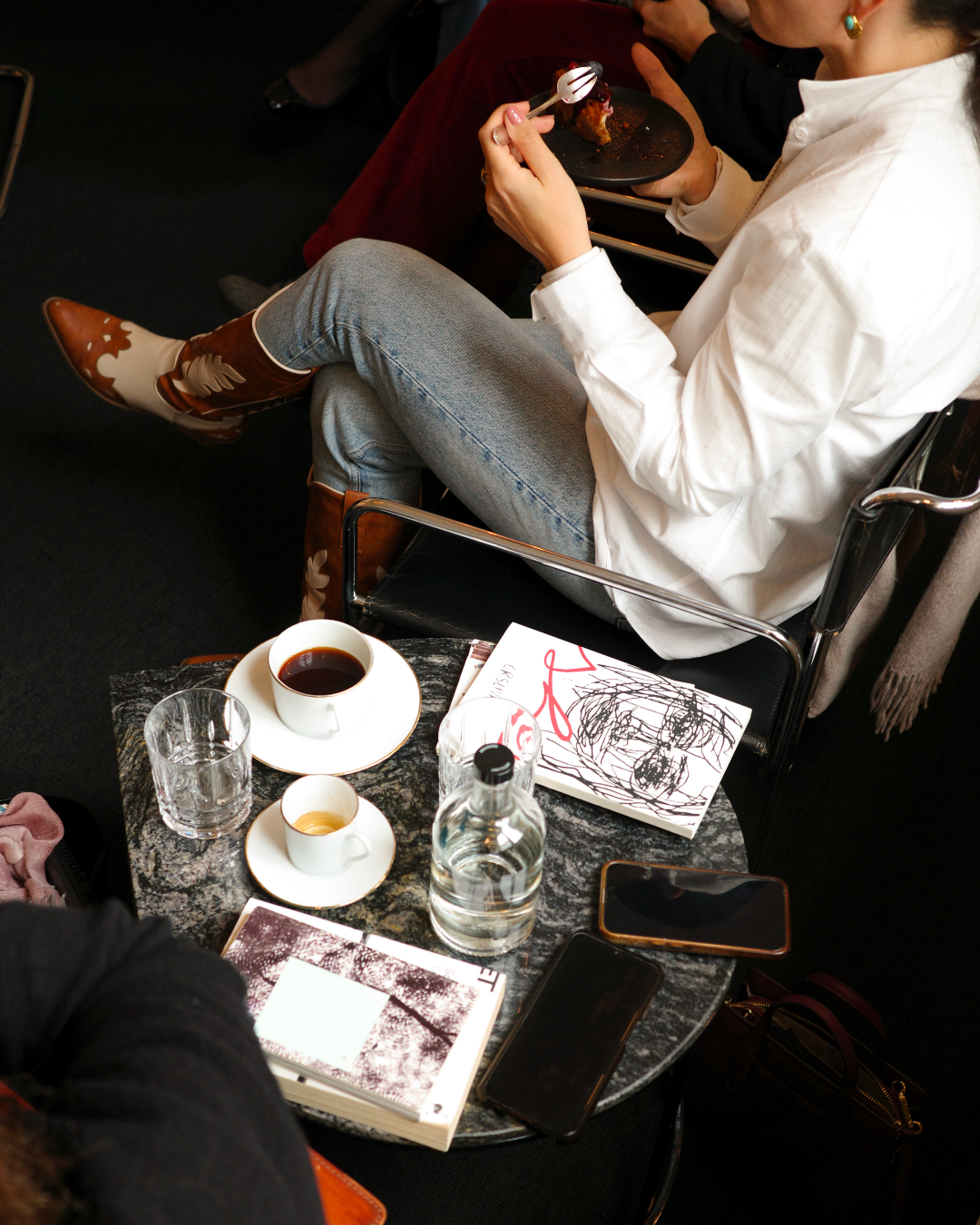
Once a month, TheMerode invites you to experience a new format: the Literary Salon by Elliot Ibouzidene. Here, the notion of a “salon” regains its original meaning — an intimate, contemporary gathering devoted to literature, conceived as a living conversation rather than a formal lecture.
Each session opens with an introductory moment — a reading, an excerpt, or a conceptual perspective — setting the tone for the discussion to follow in a relaxed atmosphere of collective reflection and exchange.
For this edition of the Literary Salon, we invite you to explore one essential question, condensed into a single word: hope.
Hope: How Can We Cultivate Hope Today?
At a time when uncertainty, crises, conflicts and a sense of powerlessness can easily lead to resignation, what does it mean to continue hoping? And what if hope were not an escape from reality, but a way of confronting it?
The philosopher Ernst Bloch offers a compelling perspective: hope is neither naïveté nor illusion, but a form of lucid dreaming — a force that allows us to imagine what does not yet exist and, in doing so, resist resignation and the idea that the future is already determined.
Through literature, we will explore how hope is imagined, questioned and experienced. Can fiction help us envision possible futures? Can non-fiction offer us new ways of understanding the present and finding grounds for hope? And how can books help us cultivate a sense of possibility in times when the future may seem uncertain?
For the session, participants are invited to bring two books: one work of fiction and one work of non-fiction. These can be books that have inspired, challenged or transformed your understanding of hope — or simply texts that you feel resonate with the question.
Participants will be invited to share a passage, excerpt or idea from their chosen books as a starting point for the conversation.
Together, we will explore hope not as passive optimism, but as an active way of imagining, questioning and engaging with the world.
As always, spontaneity and open exchange remain at the heart of the Literary Salon, allowing the conversation to unfold organically through readings, reflections, personal perspectives and unexpected connections between texts.
speaker
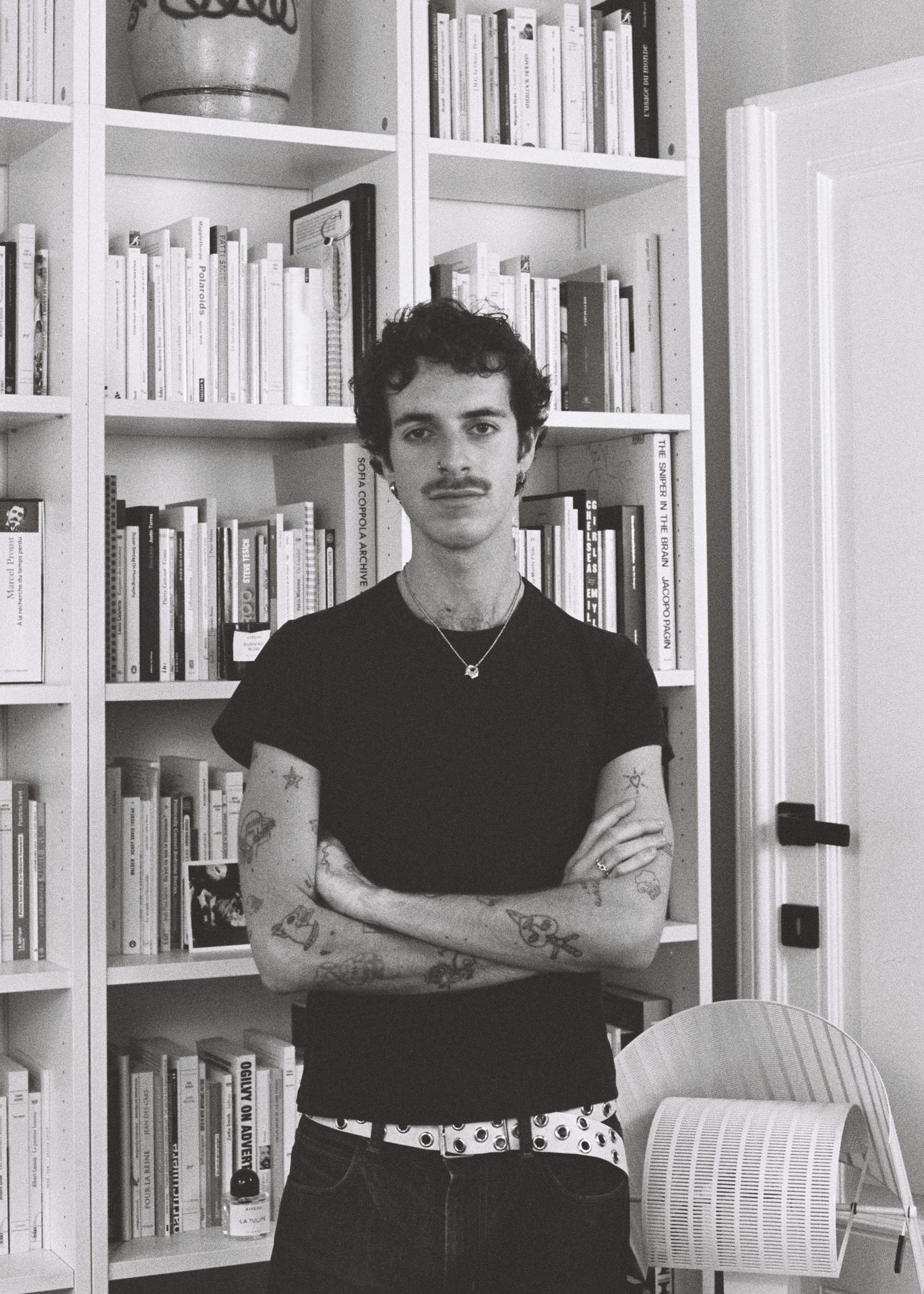
Elliot Ibouzidene