What microscopic animals can teach us about evolution, resilience, and life beyond Earth
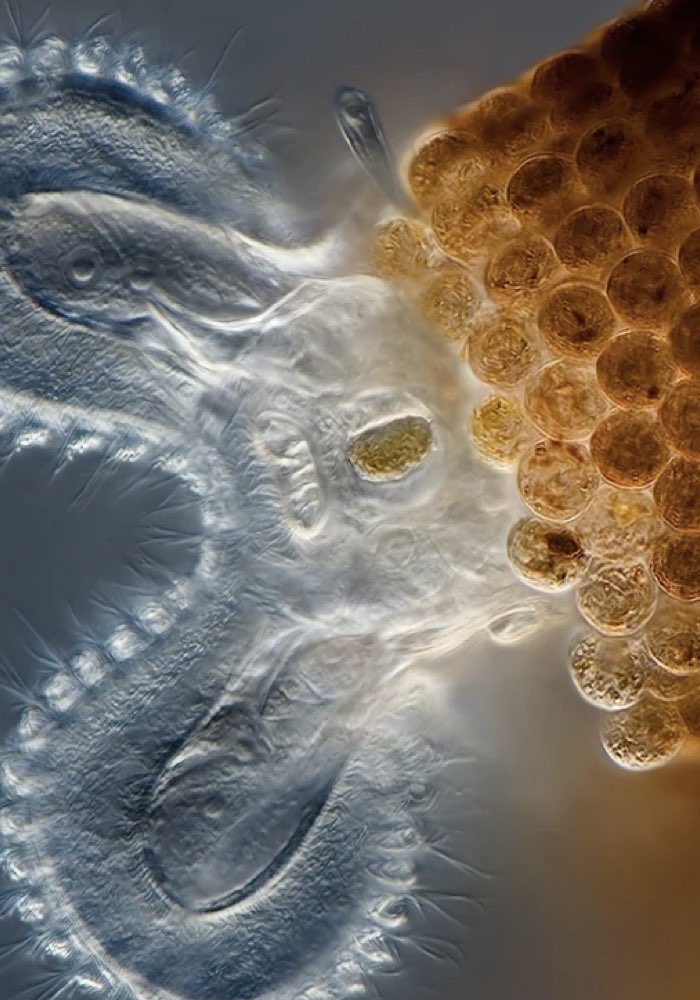
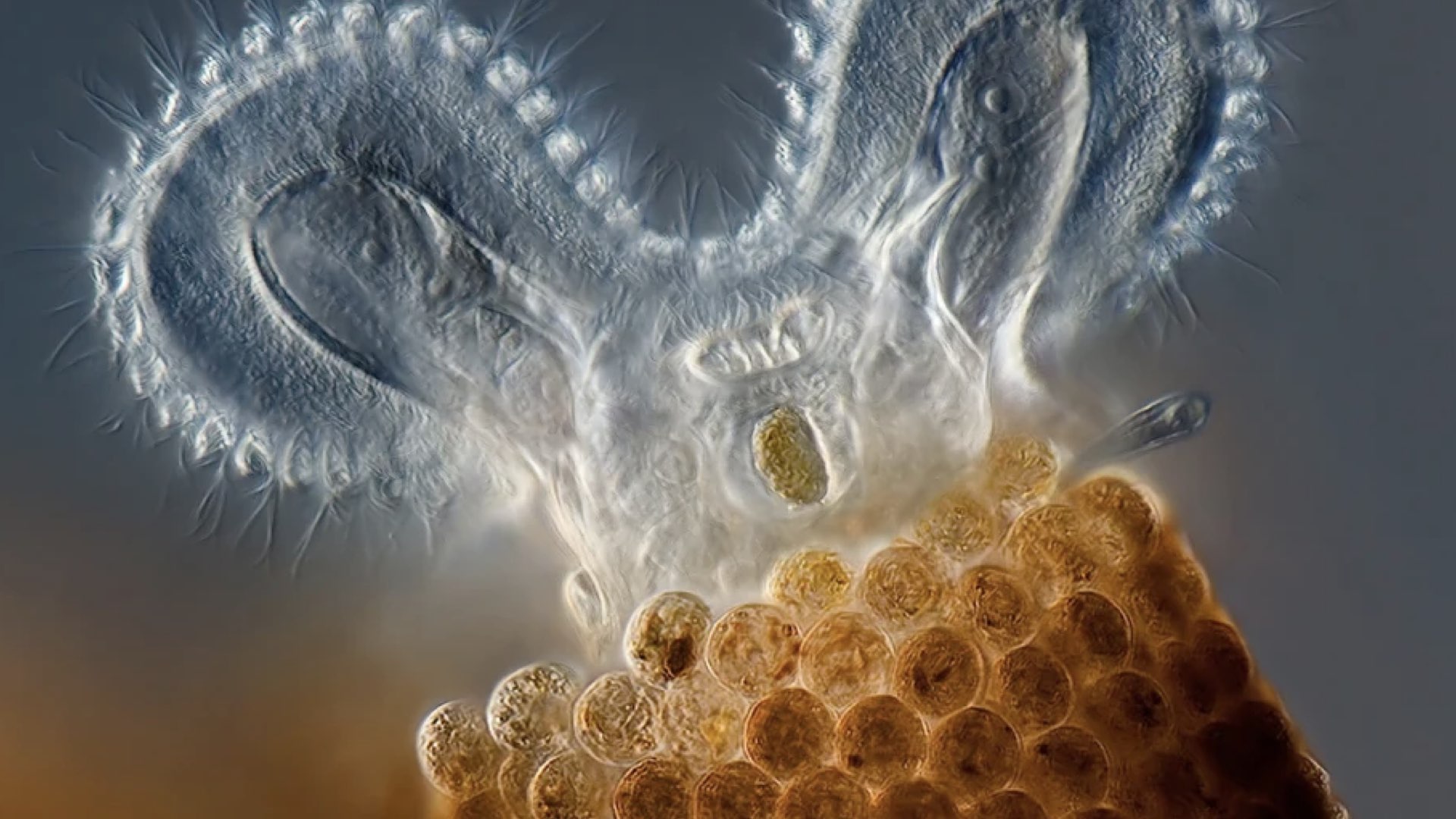
Invisible to the naked eye yet astonishing in their resilience, bdelloid rotifers are among nature’s most remarkable survivors, while being one of the smallest animals on earth. They can endure complete desiccation, withstand doses of radiation hundreds of times higher than humans can survive, and even reproduce after years in suspended animation. Some have travelled into space and returned unscathed.
At TheMerode, evolutionary biologist Professor Karine Van Doninck will unveil the extraordinary world of these tiny creatures, which challenge what we thought we knew about life and evolution. Drawing on more than fifteen years of research, she will reveal how the study of rotifers opens new perspectives on adaptation, longevity, and the frontiers of biology.
Van Doninck will also reflect on how recent advances in genomics and genetic engineering help scientists decode these mysteries — offering a glimpse into how evolution might unfold, on Earth and beyond.
To complete the experience, guests will be offered a “rotifer shake” — a playful tribute to these indestructible masters of survival.
speaker
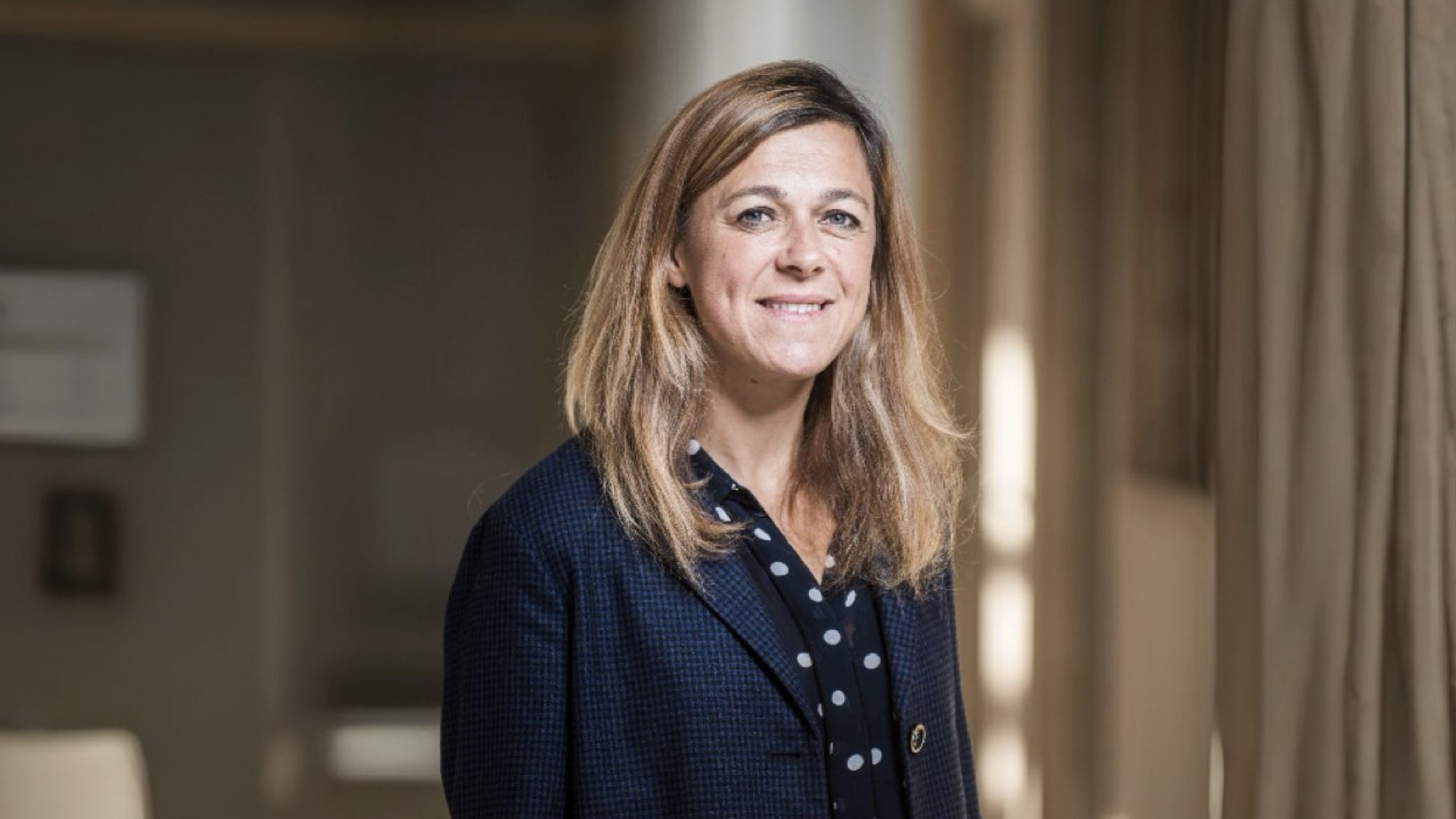
Karine Van Doninck is an evolutionary biologist whose work bridges science, art, and urban development. Guided by curiosity and creativity, she pushes the frontiers of knowledge while blurring the boundaries between disciplines. A full professor of biology at the Université Libre de Bruxelles (ULB), she combines research and teaching with a passion for inspiring others to think critically and explore boldly. In 2020, she founded the Molecular Biology and Evolution Research Unit at ULB, advancing fundamental research at the crossroads of molecular and evolutionary biology. At the heart of her scientific work are bdelloid rotifers—ancient, all-female microscopic animals capable of surviving freezing, desiccation, ionizing radiation, and even outer space. Her research group investigates how these organisms evolve without sex and adapt to extreme environments, earning her a European Research Council (ERC Consolidator Grant) in 2017 and a European Space Agency project that sent her rotifers into orbit to the International Space Station. Beyond rotifers, Van Doninck’s team also studies other organisms with exceptional survival strategies, such as Corbicula clams and amoebae. Her curiosity extends beyond the laboratory. Through collaborations with artists, she transforms scientific discovery into creative dialogue, challenging traditional boundaries between art and science. She hosts artists in her Brussels art space and guesthouse DRUUM (www.druum.be), co-created with her partner Jo Huygh, and serves on the board of P.A.R.T.S., the contemporary dance school founded by Anne Teresa De Keersmaeker. Committed to sustainability, Van Doninck has co-founded e-biom, a company dedicated to ecological monitoring, and chairs the board of DUSS (Developing Urban Sustainable Society), a consultancy promoting sustainable urban futures. Photo credit @Karel Duerinckx