

Wed. November 4, 6:30PM
Future of Health: Who Pays, Who Cares, What Must Change?
Europe built its healthcare systems on a promise of universal access. Can that promise survive an ageing population, a shrinking workforce and rising demand?
Europe’s promise of accessible, high-quality healthcare is entering a fundamentally different reality. The population consuming the most care is growing faster than the workforce and tax base available to fund and deliver it. In Belgium, people over 65 already account for around half of healthcare spending, while the working-age population is expected to decline. Across Europe, the question is shifting from how do we fund more healthcare? to something harder: how do we redesign healthcare so that it remains sustainable, accessible and trusted?
Europe could face a shortage of close to one million healthcare workers by 2030. In Belgium, only around 2% of health expenditure goes towards prevention, while healthcare professionals still spend significant parts of their day on administration rather than care. Technology can create new capacity, but should we first ask whether we are making the best use of the people and resources we already have?
This raises uncomfortable choices. Who pays when demand rises faster than public resources? Who cares when there are fewer professionals available and more care moves from hospitals into homes? And what must give if we cannot endlessly spend more, hire more or treat more?
At the centre of these questions is the patient. Decisions being made today about access, workforce, technology and funding will shape some of the most important and vulnerable moments of our lives.
Bringing together Lieven Mangelschots, Caroline Franckx, Erik Janssen and Olivier Rousseaux, this conversation will explore the choices Europe can no longer postpone. The evening will be hosted by Scott Russell, TheMerode member and founder of Innatify.
What are we prepared to change to preserve what is most valuable about healthcare, and what must we refuse to lose?
speaker
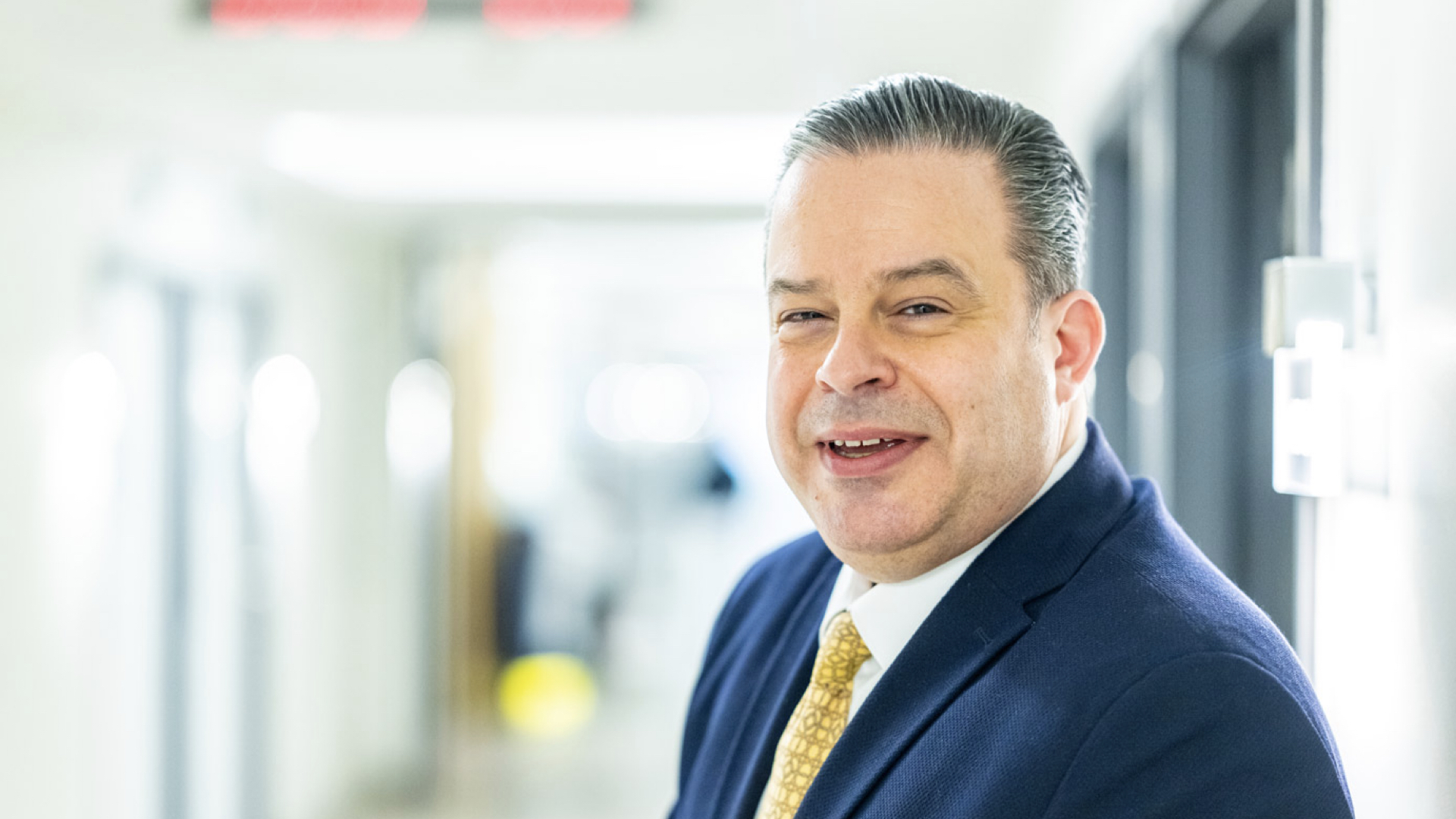
Lieven Mangelschots
speaker

Caroline Franckx
speaker
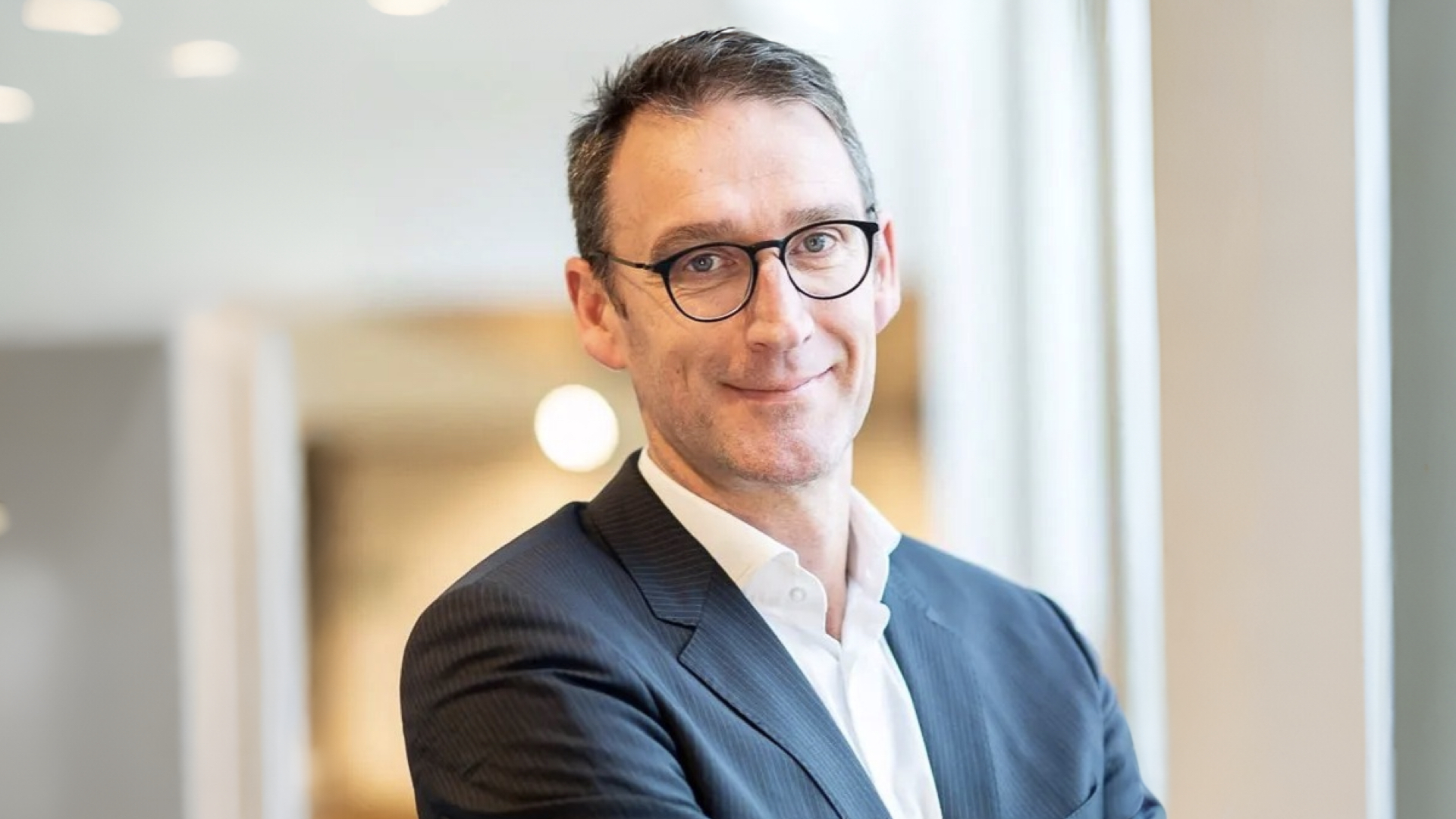
Erik Janssen
speaker
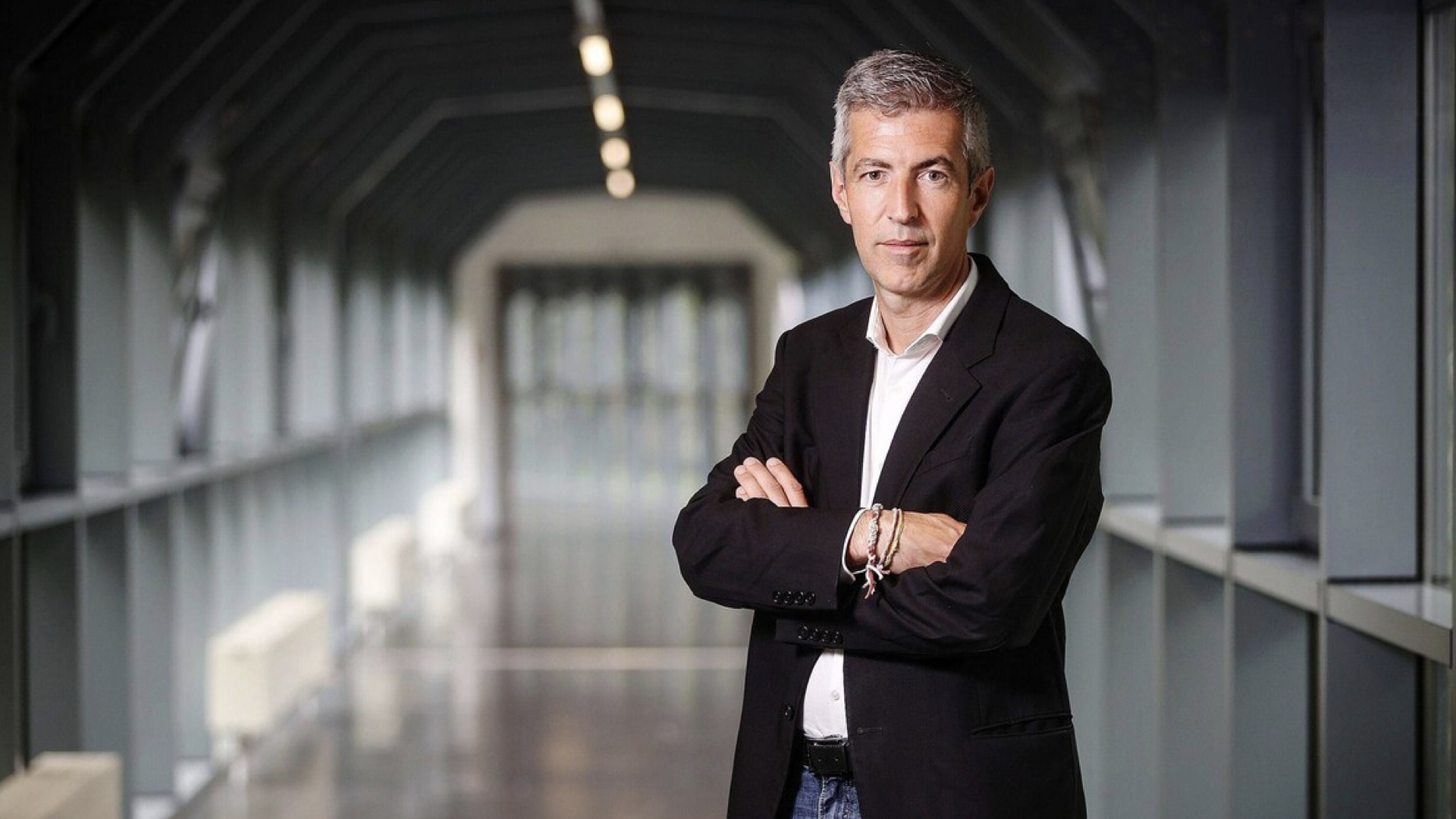
Olivier Rousseaux
moderator
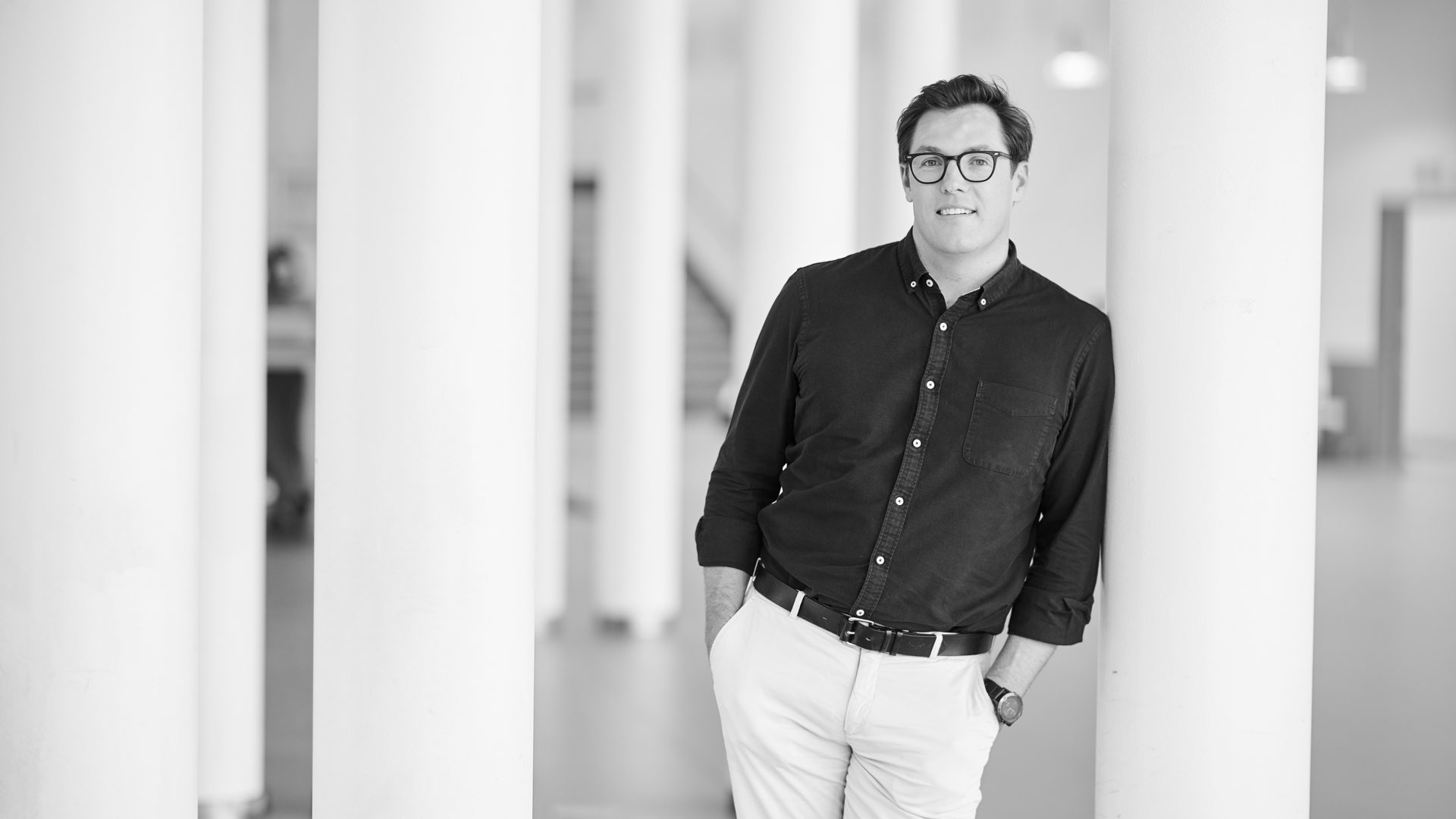
Scott Russell

