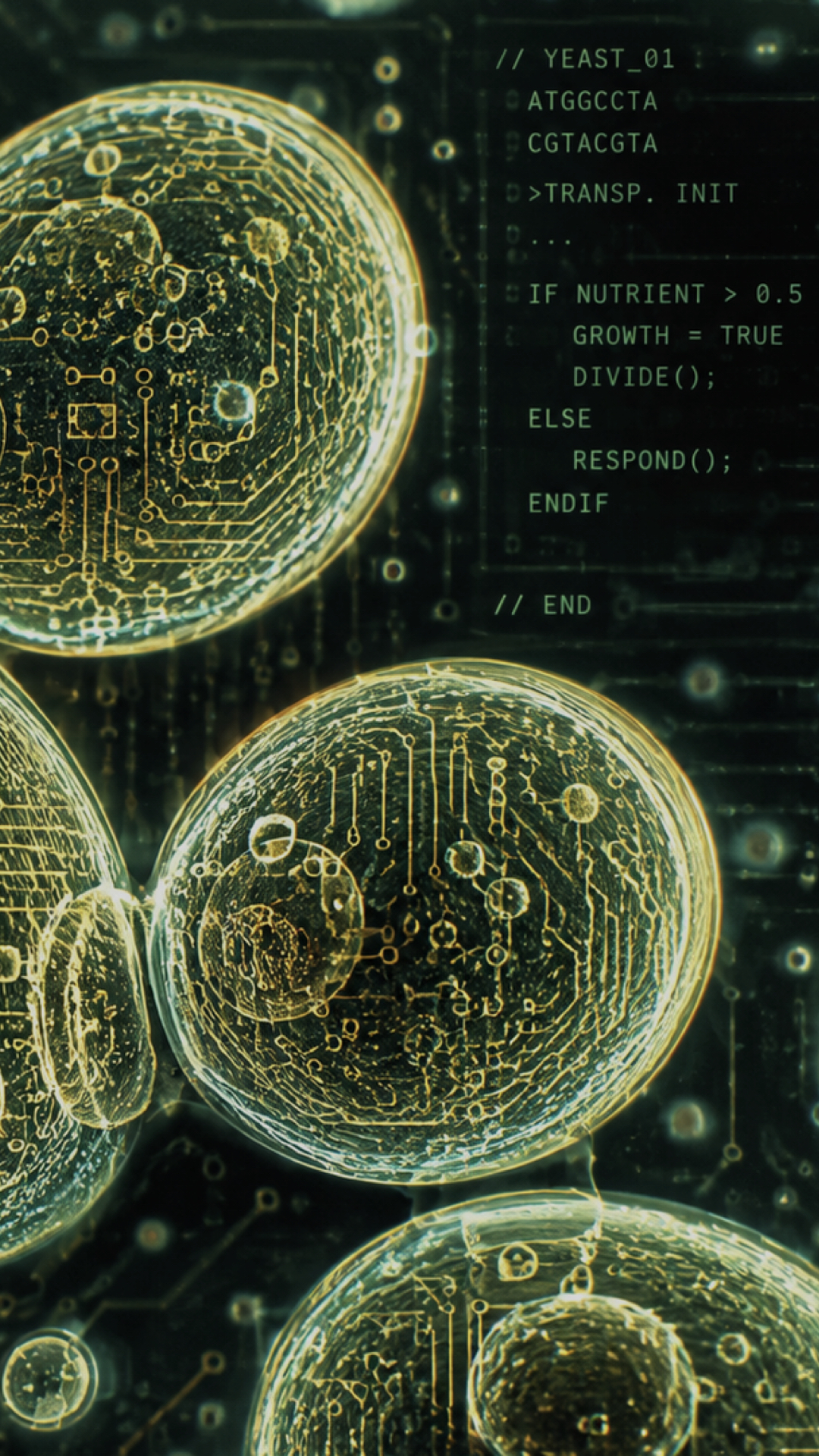
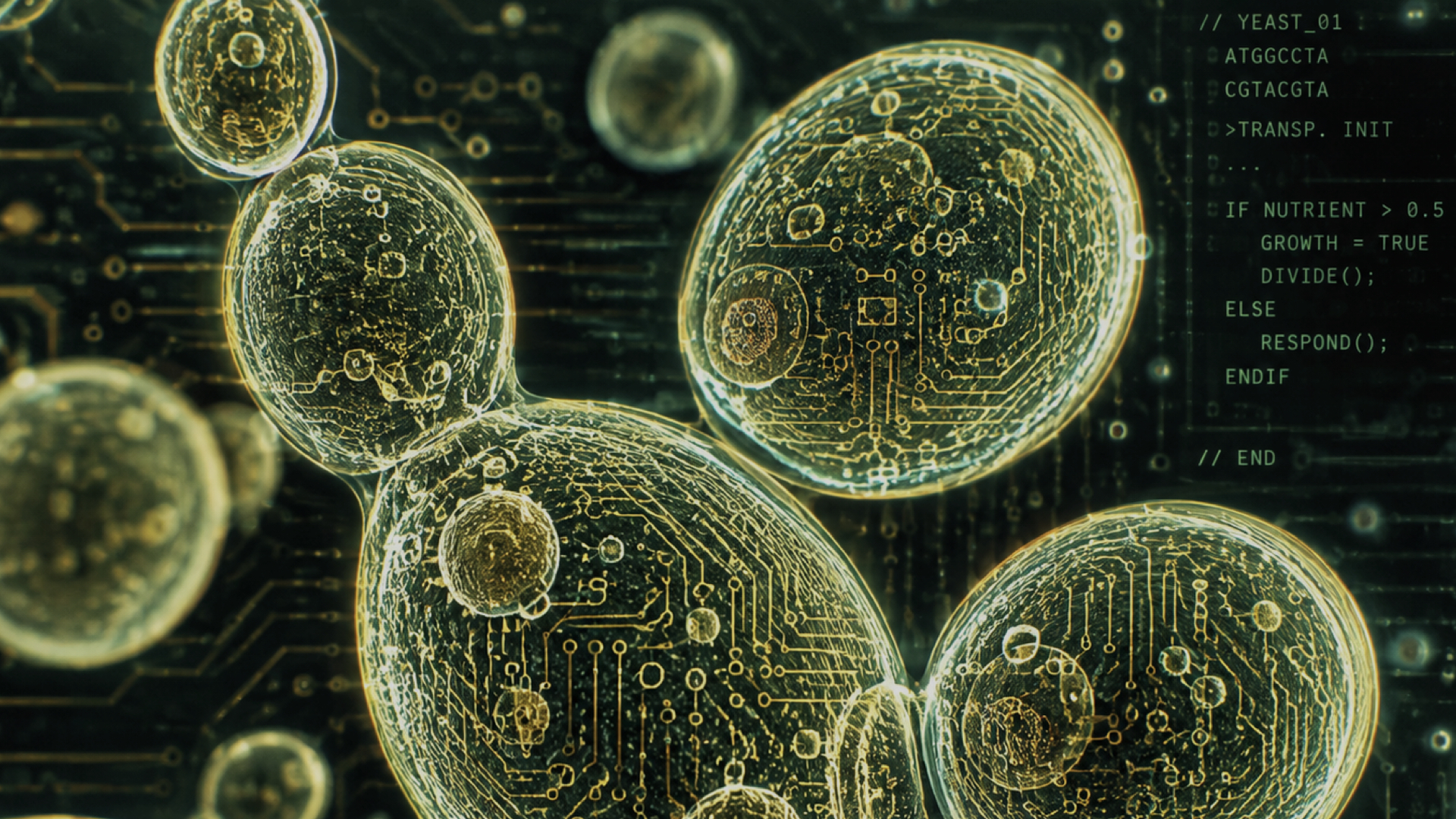
From Ozempic to Fuels : Is yeast the factory of the future ?
Science & Knowledge

Mon. November 9, 6:30PM

From Ozempic to Fuels : Is yeast the factory of the future ?

Kevin Verstrepen, Professor of Genetics and Genomics at KU Leuven and VIB, on engineering yeast for a new generation of medicines, fuels and materials.

Yeast has been making beer and wine for thousands of years. But the humble microorganism is now being transformed into something far more powerful: a programmable biological factory.


Professor Kevin Verstrepen, one of the world’s leading yeast researchers, explores how advances in genetics, synthetic biology and precision fermentation are allowing scientists to redesign yeast to produce an extraordinary range of useful molecules. The same organisms that ferment our beer can be engineered to make pharmaceuticals, proteins, fats, chemicals and fuels, potentially replacing some of the energy-intensive processes of conventional industry.


What does this mean for the future of medicine, food and energy? Could microbial factories help us produce everything from next-generation drugs to sustainable fuels and materials? And what happens when we learn not just to use yeast, but to design it?


In this presentation, Kevin Verstrepen takes us from the brewery to the laboratory and into a future in which tiny living cells could become some of our most versatile and sustainable factories.


speaker
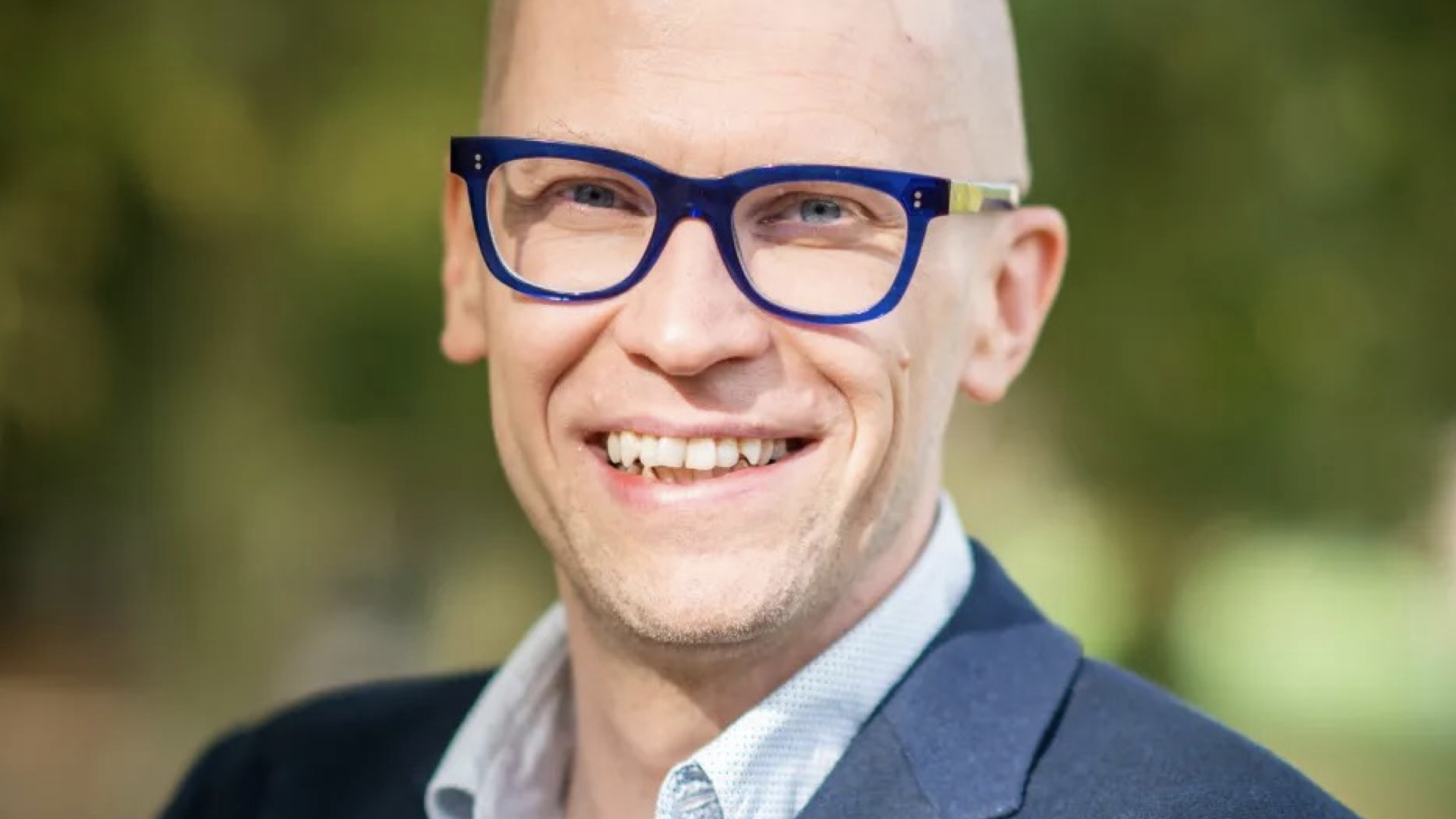
Kevin Verstrepen

Kevin Verstrepen is Professor of Genetics and Genomics at KU Leuven and Group Leader in Systems Biology at VIB, where he also serves as Science Director of the VIB-KU Leuven Center for Microbiology. He directs the Leuven Institute for Beer Research and holds an honorary professorship at the University of Nottingham. His work sits at the crossing of genetics, evolution and engineering, with yeast as a recurring subject of fascination: how it adapts, how it can be redirected, and what that reveals about the wider possibilities of living systems. His research moves between fermentation, food science and industrial biotechnology, always returning to the same question of how organisms can be understood and reshaped. He studied biological engineering at KU Leuven before working at MIT and Harvard, returning to Belgium in 2009 to found his research group.
Start
Mon. November 9, 6:30PM
End
Mon. November 9, 9:00PM
Format
TheMerode Talks
Language
English (US)
Guest allowed?
Yes, 1 per member

Address

Event
Pl. Poelaert 6
1000 Brussels
Belgium
Parking
Parking Poelaert, Place Poelaert 1000 Brussels

Detailed programme

Welcome
Mon. November 9, 6:30PM
Talk and Q&A
Mon. November 9, 7:00PM
Networking
Mon. November 9, 8:00PM
End
Mon. November 9, 9:00PM