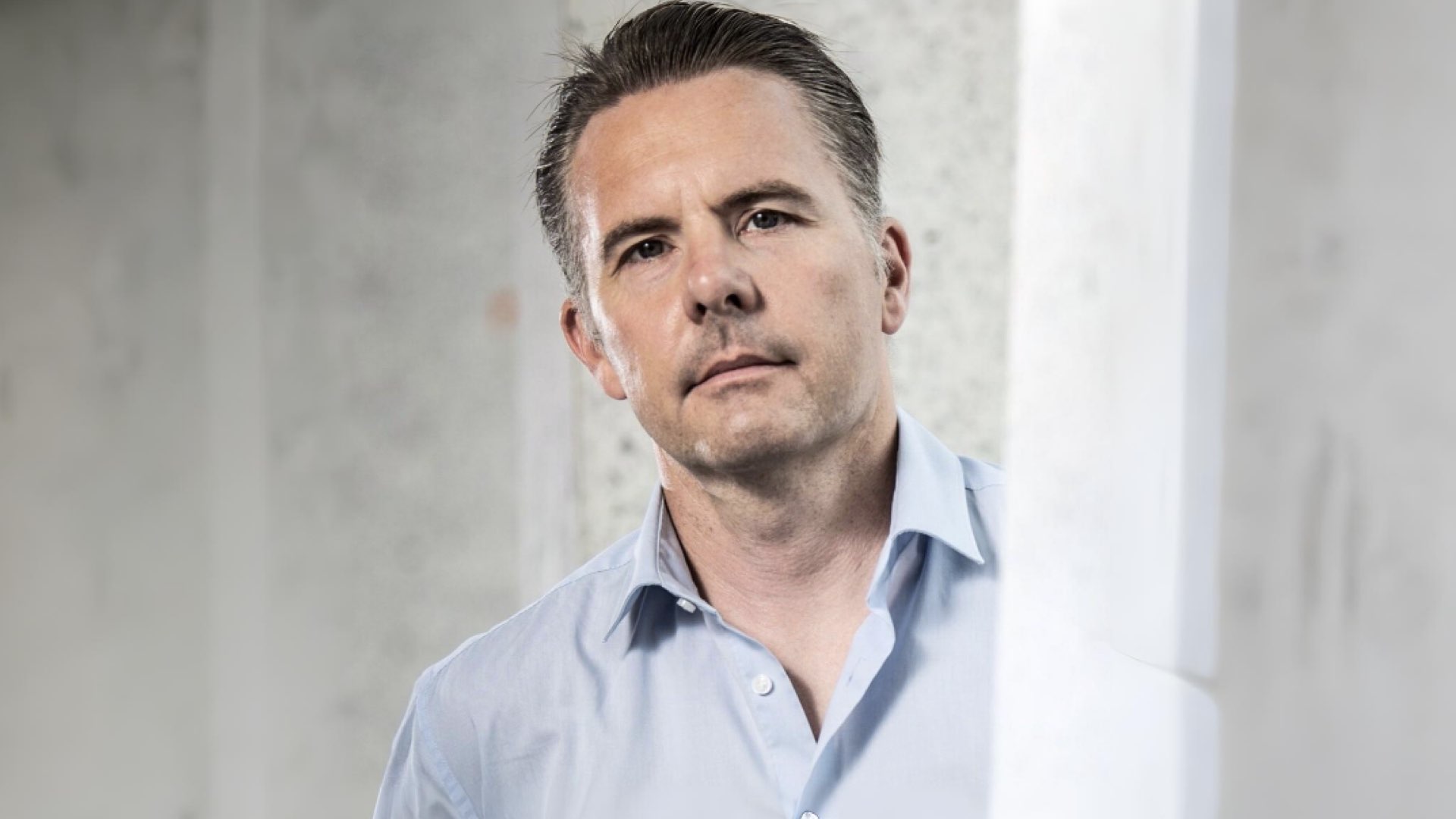

Debate: What is wealth for?
Business, Finance & Economy

Thu. March 12, 6:30PM

Debate: What is wealth for?

A debate with Bruno Fierens and Ivan Van de Cloot on wealth creation, inequality, and taxation

Few questions are as politically charged as what wealth is ultimately for.


Across Europe, inequality is rising, public finances are under strain, and economic growth remains fragile. Debates about wealth therefore tend to focus on redistribution: who should pay more, how much, and how. Yet this often sidelines a prior question: how wealth is created, and what that implies for taxation, incentives, and long-term prosperity.


This evening at TheMerode is deliberately framed as a debate, not a search for consensus.


Bruno Fierens brings an unusual perspective. A Belgian multimillionaire whose wealth is largely inherited from a prominent business family, he has publicly questioned the legitimacy of extreme wealth accumulation and the limits of voluntary philanthropy, raising broader questions about social cohesion, democratic trust, and public policy.


Opposite him, Ivan Van de Cloot, chief economist of the Merito think tank, approaches the issue through the lens of growth, incentives, and institutional sustainability. He has long stressed the importance of wealth creation, capital formation, and entrepreneurship, particularly in a European context shaped by ageing populations, high public debt, and modest productivity growth.


Their exchange will confront difficult but unavoidable questions about why inequality remains such a contested political priority, how societies should distinguish between fighting poverty and addressing inequality, when taxation corrects imbalances and when it risks weakening value creation, and how much room should be left to voluntary action and civil society versus state-imposed measures.


The aim of the debate is to examine how wealth is created, how it circulates, and what a society can reasonably expect from it, and from those who hold it.

speaker
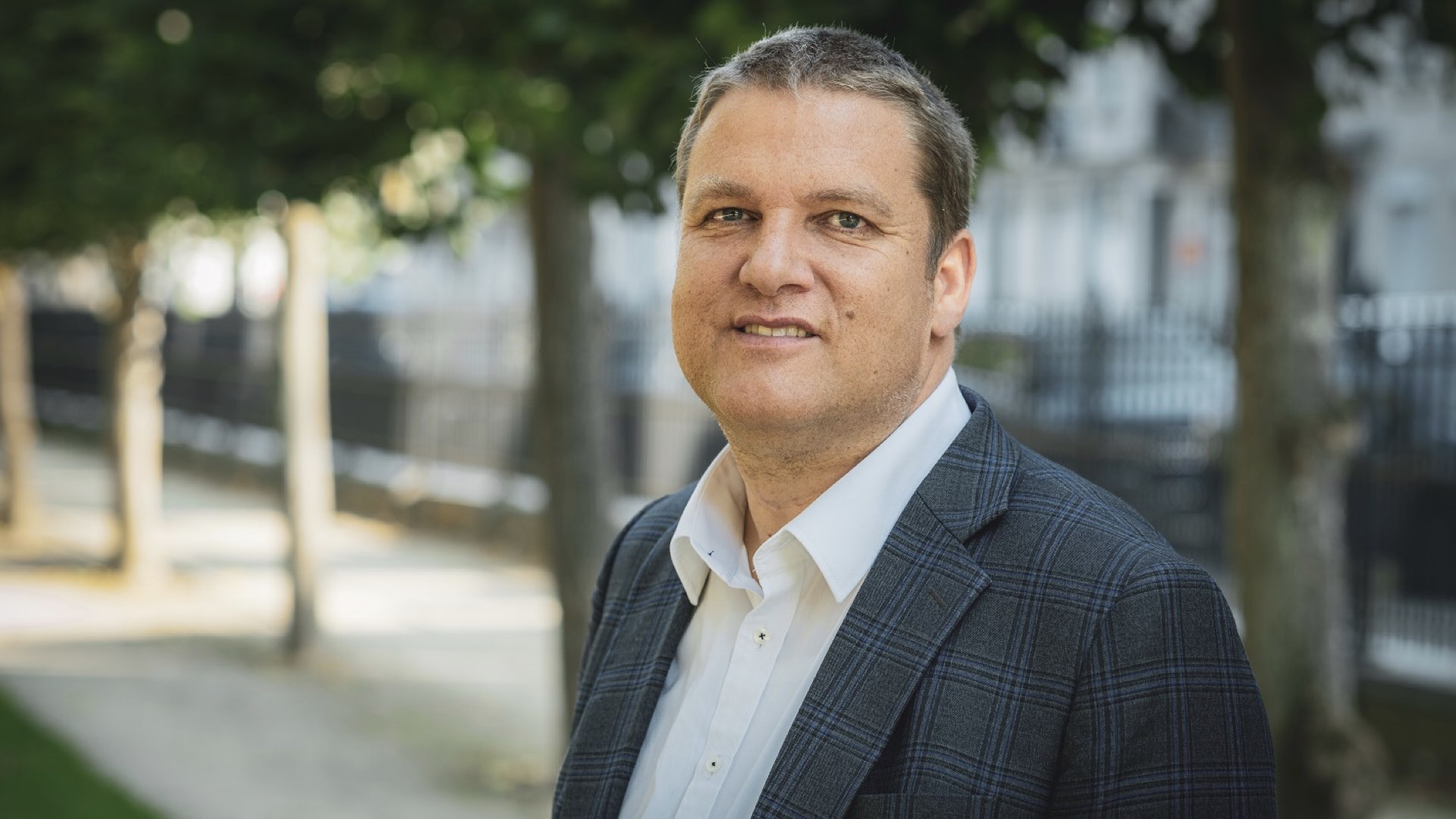
Ivan Van De Cloot

Ivan Van de Cloot is chief economist of Stichting Merito, an independent think tank focused on public policy, fiscal responsibility, and institutional reform. He is also an associate fellow at the Itinera Institute and a regular commentator on economic and financial affairs in Belgium. Van de Cloot writes a weekly column for De Tijd and is frequently called upon by media and policymakers to analyse developments in taxation, public finance, and governance. Van de Cloot studied economics at the University of Antwerp, where he later served as a research assistant in public finance. Early in his career he worked as a consultant on the liberalisation of electricity and gas markets in Belgium. He also spent six years as an economist with the economic research service of BBL/ING Belgium, where he specialised in macroeconomic trends and financial markets. An active author, Van de Cloot has written several books on fiscal policy, pensions, and the dynamics of government and markets. His work is known for combining rigorous economic analysis with a concern for the institutional underpinnings of sustainable growth and effective public governance.

speaker

Bruno Fierens

Bruno Fierens is the first Belgian member of Millionaires for Humanity, an international network of wealthy individuals advocating for fairer taxation and structural redistribution. Fierens’s wealth is largely inherited from a prominent entrepreneurial family connected to the Belgian investment group Ackermans & van Haaren — a background he describes as a lens on how the economic system advantages capital over labour.  Rather than defend inherited privilege, Fierens has publicly questioned whether extreme wealth accumulation is compatible with democratic legitimacy and social cohesion. He has argued that, beyond voluntary giving, structural redistribution — including taxes on wealth and capital income — is essential to address rising inequality and the outsized influence of capital on society. In his view, once a threshold of wealth is reached, fortunes tend to grow regardless of individual effort, reflecting systemic advantages rather than merit alone.  Fierens has also co-signed an open letter with hundreds of other wealthy donors calling on global leaders to ensure superrich individuals are taxed fairly, contending that extreme inequality harms democratic stability and reinforces unequal access to opportunity. 
Start
Thu. March 12, 6:30PM
End
Thu. March 12, 9:00PM
Format
Opinion
Language
English (US)
Guest allowed?
Yes, 1 per member

Address

Event
Place Poelaert, 6
1000 Brussels
Belgium
Parking
Parking Poelaert, Place Poelaert 1000 Brussels

last seats available